Factory owners face a range of challenges when it comes to maintaining safe, durable, and efficient working environments. Daily exposure to chemicals, heavy machinery, forklift traffic, spills, and constant operational activity can place significant strain on flooring surfaces. Without the right protection, concrete floors can deteriorate over time, leading to maintenance issues, operational disruptions, and safety concerns.
This is why many industrial facilities across New Zealand are turning to chemical resistant epoxy flooring as a long-term flooring solution. Designed to protect concrete surfaces from chemical exposure, abrasion, impact, and heavy traffic, these flooring systems deliver outstanding performance in demanding industrial environments.
At Solid Floors Limited, we specialise in providing high-performance flooring solutions tailored to the needs of commercial and industrial facilities. Our chemical resistant flooring systems are engineered to withstand challenging conditions while helping businesses maintain safe and productive workplaces.
What Is Chemical Resistant Epoxy Flooring?
Chemical resistant epoxy flooring is a specialised flooring system designed to protect concrete surfaces from aggressive substances, mechanical wear, and environmental stress.
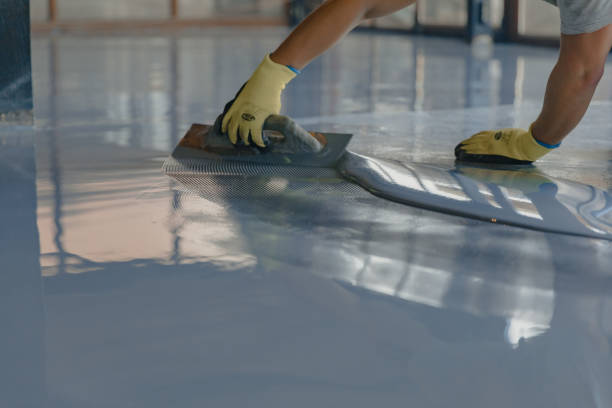
The system consists of high-performance epoxy coatings applied over properly prepared concrete. Once cured, the coating forms a seamless and durable protective barrier that helps prevent damage caused by:
- Acids
- Solvents
- Oils
- Fuels
- Cleaning agents
- Moisture
- Heavy machinery
- Forklift traffic
Unlike untreated concrete, chemical resistant epoxy flooring provides a non-porous surface that resists penetration from hazardous substances and helps maintain the integrity of the underlying substrate.
Why Factory Floors Need Additional Protection
Concrete is strong, but it is naturally porous. In industrial environments, untreated concrete can absorb chemicals, moisture, and contaminants that gradually weaken the surface.
Common issues faced by factory owners include:
| Flooring Challenge | Potential Impact |
| Chemical spills | Surface degradation |
| Oil contamination | Staining and slip hazards |
| Heavy machinery | Abrasion and wear |
| Forklift traffic | Surface damage |
| Moisture exposure | Concrete deterioration |
| Frequent cleaning | Long-term wear |
| Impact loads | Cracking and chipping |
Installing chemical resistant epoxy flooring helps address these challenges while extending the lifespan of industrial flooring systems.
Key Benefits of Chemical Resistant Epoxy Flooring
Superior Chemical Protection
One of the primary reasons factory owners choose chemical resistant epoxy flooring is its ability to withstand exposure to harsh substances.
Industrial facilities often handle:
- Acids
- Alkalis
- Solvents
- Petroleum products
- Cleaning chemicals
- Industrial liquids
Without adequate protection, these substances can penetrate concrete and cause long-term damage. Chemical resistant epoxy flooring creates a protective barrier that helps prevent chemical penetration and surface deterioration.
Exceptional Durability
Factories are among the most demanding environments for flooring systems.
Daily operations may involve:
- Heavy machinery
- Constant foot traffic
- Material handling equipment
- Pallet movement
- Forklift operations
Chemical resistant epoxy flooring is engineered to withstand these conditions while maintaining its performance over time.
Enhanced Abrasion Resistance
Industrial floors experience ongoing friction from equipment, machinery, and daily operations.
Benefits of abrasion resistant epoxy flooring include:
- Reduced surface wear
- Improved floor longevity
- Better resistance to scratches
- Protection against mechanical stress
- Consistent surface performance
This makes the flooring particularly suitable for manufacturing plants, warehouses, and processing facilities.
Protection of Concrete Substrates
The concrete beneath a factory floor represents a valuable structural asset.
Chemical resistant epoxy flooring helps protect this investment by:
- Preventing chemical attack
- Reducing moisture penetration
- Minimising erosion
- Protecting against abrasion
- Preserving structural integrity
By protecting the concrete substrate, businesses can reduce the likelihood of major repairs and maintain operational efficiency.
Improved Workplace Safety
Safety remains a priority for every factory owner.
Chemical resistant epoxy flooring contributes to safer workplaces through several important features.
Slip Resistance Options
Specialised surface textures can be incorporated to improve traction in areas exposed to:
- Water
- Oils
- Chemicals
- Cleaning processes
This helps reduce the risk of slips and falls.
Seamless Surface Design
The seamless nature of epoxy flooring eliminates joints, cracks, and gaps where contaminants can accumulate.
Advantages include:
- Easier cleaning
- Improved hygiene
- Reduced contamination risks
- Safer working conditions
Better Visibility
Many epoxy flooring systems can improve workplace visibility by creating a clean and uniform surface that supports safe movement throughout industrial facilities.
Reduced Maintenance Requirements
Factory owners often seek flooring systems that minimise maintenance demands.
Chemical resistant epoxy flooring supports this goal through:
- Easy cleaning
- Seamless surfaces
- Stain resistance
- Reduced dust generation
- Long-lasting performance
Regular maintenance typically involves simple cleaning procedures that help preserve the appearance and functionality of the floor.
Industries That Benefit from Chemical Resistant Epoxy Flooring
Chemical resistant epoxy flooring is suitable for a wide range of industrial sectors, including:
Manufacturing Facilities
Manufacturing plants frequently encounter chemical exposure, machinery movement, and high traffic levels.
Warehouses
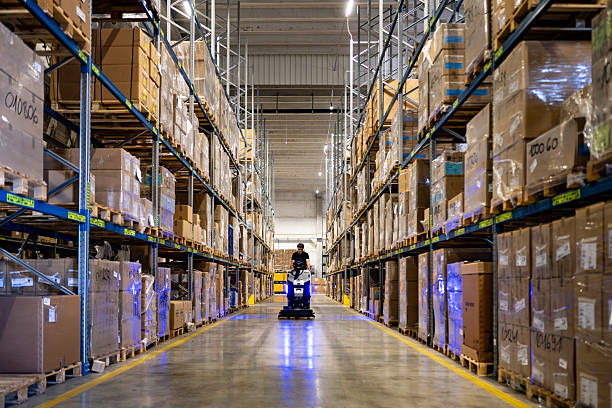
Warehouse environments require flooring capable of handling forklifts, pallet jacks, and continuous operational activity.
Food Processing Facilities
Seamless flooring systems support hygiene and cleanliness requirements while providing durability.
Workshops
Workshops often deal with oils, lubricants, and heavy equipment that can damage unprotected concrete surfaces.
Aviation Facilities
Aircraft maintenance and service areas benefit from flooring systems designed to withstand chemicals and heavy operational demands.
Why Choose Solid Floors Limited?
Solid Floors Limited provides industrial flooring solutions designed to meet the challenges of demanding commercial environments throughout New Zealand.
Businesses choose Solid Floors Limited because of:
- Extensive industry experience
- Tailored flooring solutions
- Professional installation processes
- Premium coating systems
- Focus on long-term performance
- Commitment to quality workmanship
Our team works closely with factory owners to identify the most suitable flooring solution for their operational requirements.
Conclusion
Installing chemical resistant epoxy flooring is one of the most effective ways factory owners can protect their facilities from chemical exposure, abrasion, heavy traffic, and operational wear. These flooring systems provide a durable, seamless, and hygienic surface that supports workplace safety, reduces maintenance demands, and protects valuable concrete substrates.
At Solid Floors Limited, we deliver high-performance chemical resistant flooring solutions tailored to the needs of industrial and commercial facilities throughout New Zealand. Whether you operate a manufacturing plant, warehouse, processing facility, or workshop, our experienced team can help you achieve a flooring system built for long-term performance. To discuss your project and discover the right solution for your facility, contact us today.
Frequently Asked Questions
1. What is chemical resistant epoxy flooring?
Chemical resistant epoxy flooring is a protective coating system designed to shield concrete surfaces from chemicals, abrasion, impact, and heavy industrial traffic.
2. Where is chemical resistant epoxy flooring commonly used?
It is commonly installed in factories, warehouses, manufacturing plants, workshops, food processing facilities, and aviation environments.
3. How does epoxy flooring improve workplace safety?
It can include slip-resistant finishes and provides a seamless surface that supports cleanliness and safer movement.
4. Is chemical resistant epoxy flooring easy to maintain?
Yes, the seamless and non-porous surface simplifies cleaning and reduces maintenance requirements.
5. Why choose Solid Floors Limited for chemical resistant flooring?
Solid Floors Limited offers specialised industrial flooring expertise, tailored solutions, professional installation, and long-term performance-focused systems throughout New Zealand.