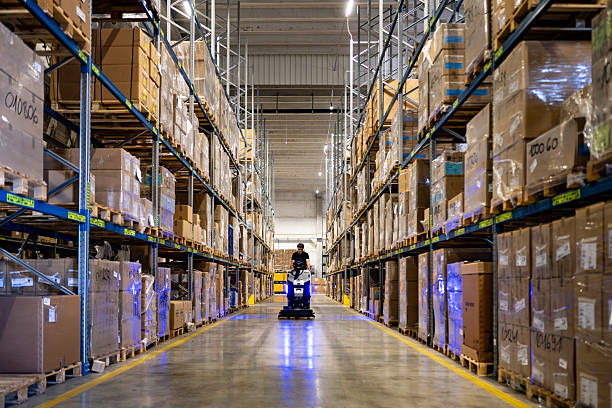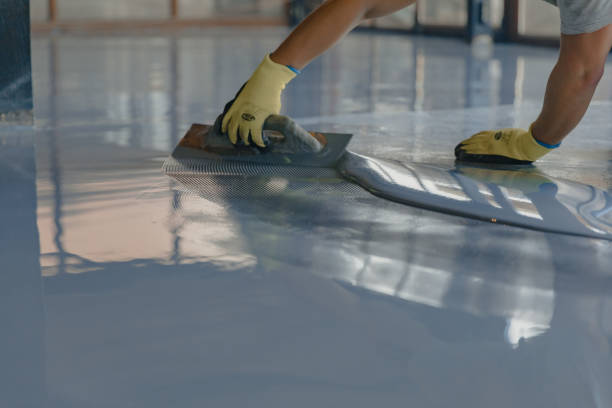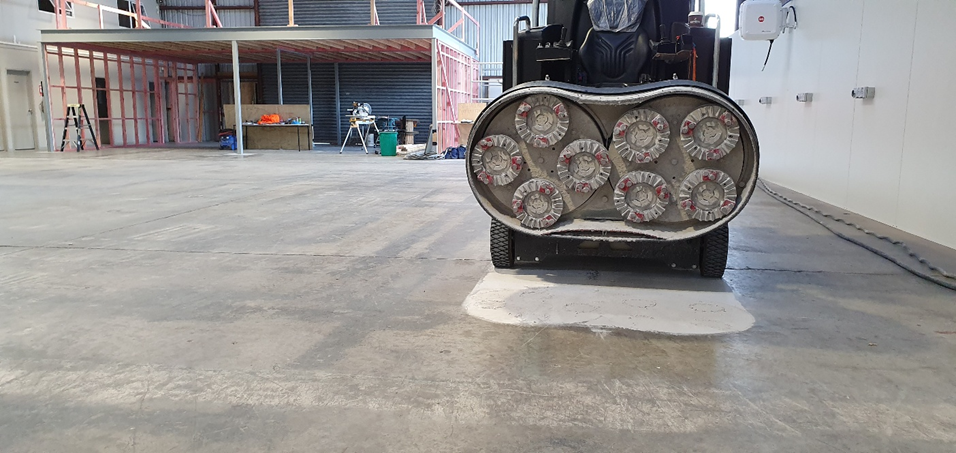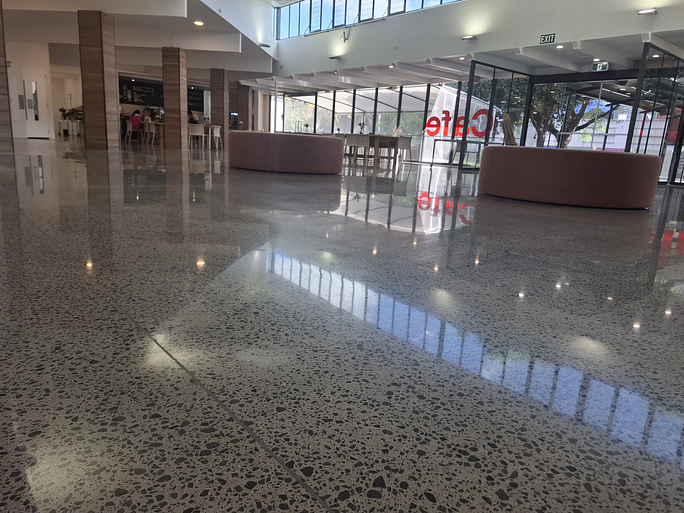
Commercial Concrete Floors are one of the most durable and practical flooring solutions for industrial, commercial, and public environments. From warehouses and manufacturing facilities to retail stores, offices, food production areas, and car parks, these floors are designed to withstand constant foot traffic, heavy equipment, and daily operational demands.
However, even the strongest commercial concrete flooring requires proper maintenance to retain its appearance, performance, and longevity. Without regular care, dirt, chemicals, moisture, heavy loads, and continuous wear can gradually reduce the floor’s effectiveness and increase repair costs.
At Solid Floors Limited, we understand the demands placed on commercial concrete flooring across New Zealand. With decades of industry experience, we know that proactive maintenance is one of the most effective ways to maximise the lifespan of commercial floors while maintaining a safe and professional working environment.
In this guide, we explore the best practices for maintaining Commercial Concrete Floors, helping facility managers, business owners, and property managers protect their investment for years to come.
Why Commercial Concrete Floors Are Popular
Commercial Concrete Floors have become the preferred choice across many industries because they offer exceptional durability and versatility.
Some of the key benefits include:
- Long service life
- Excellent load-bearing capacity
- Low maintenance requirements
- Attractive polished finishes
- Resistance to heavy traffic
- Suitable for various commercial environments
- Easy to clean
- Compatible with protective coatings
These qualities make commercial concrete flooring suitable for businesses seeking reliable flooring solutions with long-term performance.
Understanding the Challenges of High Traffic Areas
Every day, commercial floors face numerous challenges that can gradually impact their condition.
Common sources of wear include:
- Constant pedestrian traffic
- Forklift movement
- Pallet jacks
- Heavy machinery
- Vehicle traffic
- Dirt and grit
- Chemical spills
- Moisture
- Impact damage
Without regular maintenance, these factors can contribute to:
- Surface scratches
- Dust generation
- Loss of shine
- Cracks
- Surface staining
- Reduced slip resistance
Understanding these risks helps businesses create an effective maintenance strategy.
Maintenance Schedule for Commercial Concrete Floors
| Maintenance Task | Recommended Frequency | Purpose |
| Dry dust removal | Daily | Remove abrasive dirt and debris |
| Damp mopping | Daily or as required | Eliminate fine dust and stains |
| Spill clean-up | Immediately | Prevent staining and surface damage |
| Floor inspection | Weekly | Identify minor damage early |
| Deep cleaning | Monthly | Restore surface cleanliness |
| Joint inspection | Quarterly | Prevent structural deterioration |
| Professional maintenance | Annually | Maintain long-term floor performance |
Following a structured schedule helps reduce repair costs while extending floor life.
Daily Cleaning Makes a Big Difference
Daily cleaning is one of the simplest yet most important maintenance practices.
Dust, sand, and small debris often act like sandpaper beneath shoes, forklifts, and equipment wheels. Over time, this can wear away protective finishes.
Daily cleaning should include:
- Dust mopping
- Vacuuming industrial areas
- Removing debris
- Damp mopping with suitable cleaning products
Avoid allowing dirt to accumulate in high traffic zones.
Businesses operating warehouses or production facilities should pay particular attention to loading bays and entry points where debris is commonly introduced.
Clean Spills Immediately
Commercial environments frequently experience spills involving:
- Oils
- Chemicals
- Food products
- Water
- Cleaning agents
Leaving spills unattended may cause:
- Surface staining
- Slip hazards
- Coating deterioration
- Increased maintenance requirements
Prompt cleaning helps maintain both appearance and workplace safety.
Use Suitable Cleaning Products
Not every cleaning chemical is appropriate for commercial concrete flooring.
Avoid products containing:
- Strong acids
- Harsh alkalis
- Bleach in high concentrations
- Abrasive powders
Instead, choose cleaning products specifically designed for sealed or polished concrete surfaces.
Using unsuitable chemicals may damage sealers or protective coatings over time.
Protect Entry Points
A significant amount of dirt enters commercial buildings through entrances.
Installing quality entrance mats helps reduce:
- Dust
- Sand
- Moisture
- Small stones
- Debris
This simple step reduces surface abrasion throughout the building.
Inspect Floors Regularly
Routine inspections help identify issues before they become expensive repairs.
Look for:
- Cracks
- Surface wear
- Joint damage
- Coating failure
- Moisture problems
- Stains
- Uneven areas
Early intervention often prevents more extensive repairs.
Maintain Protective Coatings
Many Commercial Concrete Floors include protective coatings such as epoxy, polyurethane, or specialised sealers.
These coatings provide:
- Chemical resistance
- Easier cleaning
- Improved durability
- Better appearance
- Increased stain resistance
Over time, coatings naturally wear in high traffic areas.
Professional inspections help determine when recoating is appropriate.
If your facility requires enhanced protection, our Resin Flooring Systems provide durable solutions designed for demanding commercial environments.
Prevent Moisture Damage
Moisture can affect both coated and uncoated concrete floors.
Potential issues include:
- Surface deterioration
- Coating failure
- Mould growth
- Reduced durability
Good drainage, prompt spill removal, and regular inspections help minimise moisture-related problems.
Waterproofing solutions may also be suitable for exposed commercial areas and parking structures.
Protect High Wear Zones
Some areas naturally experience greater traffic than others.
These include:
- Entrances
- Warehouse aisles
- Loading docks
- Reception areas
- Production lines
- Forklift routes
Additional protective measures may include:
- Protective coatings
- Floor markings
- Scheduled inspections
- Preventative maintenance
These strategies reduce wear in the busiest parts of a facility.
Use Proper Equipment
Cleaning equipment should match the flooring type.
Recommended equipment includes:
- Microfibre dust mops
- Industrial vacuums
- Auto scrubbers with suitable pads
- Soft bristle brushes
Avoid aggressive brushes or pads that may damage polished finishes.
Train Staff on Floor Care
Maintenance procedures should be consistent across all team members.
Training should include:
- Correct cleaning methods
- Spill response procedures
- Approved cleaning products
- Safe equipment use
- Reporting floor damage
A well-informed team helps protect your flooring investment.
Maintain Expansion Joints
Expansion joints allow concrete floors to move naturally with temperature changes.
Damaged joints may lead to:
- Edge deterioration
- Trip hazards
- Structural damage
- Moisture penetration
Routine inspections and timely repairs help preserve floor integrity.
Reduce Heavy Impact Damage
Although commercial concrete flooring is extremely durable, repeated impacts can still cause damage.
Where possible:
- Use wheel protectors
- Install equipment pads
- Avoid dropping heavy objects
- Maintain forklift tyres
Small operational improvements often reduce long-term wear.
Schedule Professional Maintenance
While routine cleaning handles daily maintenance, professional servicing remains essential.
Professional maintenance may include:
- Deep cleaning
- Surface polishing
- Recoating
- Crack repairs
- Joint maintenance
- Surface restoration
Regular professional inspections help identify hidden issues before they affect operations.
At Solid Floors Limited, our experienced team works with businesses across New Zealand to deliver tailored flooring solutions and ongoing support for commercial environments.
Industries That Benefit from Well Maintained Commercial Concrete Floors
Proper maintenance supports a wide range of industries.
These include:
- Warehousing
- Manufacturing
- Retail
- Food processing
- Distribution centres
- Aviation facilities
- Automotive workshops
- Commercial offices
- Public buildings
- Car parks
Each environment presents unique flooring challenges, making preventative maintenance essential.
Common Maintenance Mistakes to Avoid
Many flooring issues result from avoidable maintenance mistakes.
Common examples include:
- Ignoring small cracks
- Using harsh chemicals
- Delaying spill clean-up
- Skipping regular inspections
- Using abrasive cleaning equipment
- Neglecting protective coatings
- Allowing dirt build-up
- Failing to maintain expansion joints
Avoiding these mistakes significantly extends floor lifespan.
Signs Your Commercial Concrete Floors Need Professional Attention
Contact a flooring specialist if you notice:
- Deep cracks
- Widespread staining
- Surface dusting
- Coating failure
- Water damage
- Uneven surfaces
- Excessive wear
- Slip resistance concerns
Addressing these issues early helps minimise disruption and protects your investment.
Why Preventative Maintenance Delivers Long Term Value
Preventative maintenance offers numerous advantages, including:
- Longer floor lifespan
- Improved workplace safety
- Better appearance
- Reduced repair requirements
- Consistent business operations
- Enhanced durability
- Lower lifecycle maintenance needs
- Greater return on investment
Businesses that prioritise maintenance often experience fewer unexpected flooring issues.
Conclusion
Commercial Concrete Floors provide outstanding durability, functionality, and long term value when supported by a structured maintenance programme. Daily cleaning, routine inspections, prompt spill management, protective coatings, and professional servicing all contribute to preserving the appearance and performance of commercial concrete flooring in demanding environments.
Whether your facility operates in warehousing, manufacturing, retail, food production, or another commercial sector, proactive floor care helps reduce downtime, improve safety, and maximise the lifespan of your flooring system.
At Solid Floors Limited, we specialise in delivering durable commercial flooring solutions across New Zealand. If you are planning a new flooring installation or want expert advice on maintaining your existing Commercial Concrete Floors, Contact us to discuss the right solution for your business.
Frequently Asked Questions
1. How often should Commercial Concrete Floors be cleaned?
Daily cleaning is recommended for most commercial environments, with deeper cleaning scheduled monthly and professional maintenance performed annually or as required.
2. What is the best way to maintain commercial concrete flooring?
Regular dust removal, prompt spill clean-up, suitable cleaning products, routine inspections, and professional maintenance help keep commercial concrete flooring in excellent condition.
3. Can Commercial Concrete Floors handle heavy machinery?
Yes. Commercial Concrete Floors are designed to support heavy equipment, forklifts, machinery, and continuous operational traffic when properly installed and maintained.
4. Which industries benefit from commercial concrete flooring?
Warehouses, manufacturing plants, retail stores, food processing facilities, workshops, aviation, offices, and public buildings all benefit from durable commercial concrete flooring.
5. When should Commercial Concrete Floors be professionally inspected?
A professional inspection is recommended at least once a year or sooner if cracks, coating wear, surface damage, or moisture issues become noticeable.