Choosing the right Commercial Flooring system is important for businesses operating in demanding environments. Warehouses, workshops, production facilities, food service areas and other commercial spaces can experience heavy traffic, forklifts, machinery, chemicals, moisture and frequent cleaning.
Two popular resin flooring options are epoxy and polyurethane. While both can provide durable and seamless surfaces, their properties make them suitable for different operating conditions. Understanding these differences can help businesses select a flooring system that supports their facility’s requirements.
Solid Floors Limited provides commercial and industrial flooring solutions designed around the conditions of each working environment.
What Is Commercial Flooring?
Commercial Flooring is designed for business environments where floors need to withstand regular operational activity. Depending on the facility, flooring may need to handle:
- Heavy pedestrian traffic
- Forklifts and pallet trucks
- Machinery and equipment
- Chemical exposure
- Moisture and cleaning
- Impact and abrasion
- Hygiene requirements
- Slip resistance requirements
Concrete is commonly used as a substrate in commercial and industrial facilities, but unprotected concrete can experience staining, wear and surface deterioration.
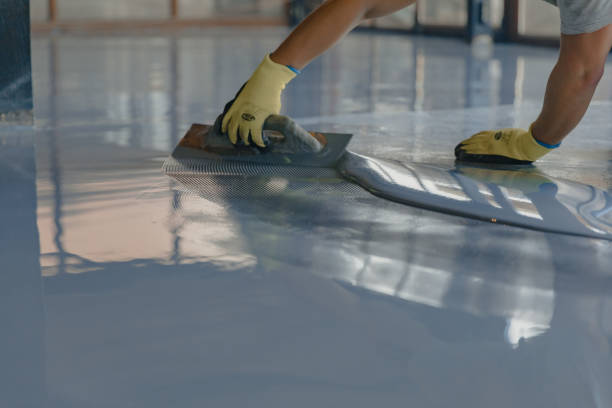
Resin systems such as epoxy and polyurethane can provide a protective, seamless finish over suitable concrete.
Epoxy vs Polyurethane Flooring
Epoxy and polyurethane are both resin-based flooring systems, but they have different characteristics.
Epoxy is generally associated with hardness, strong adhesion and resistance to mechanical wear and many chemical exposures. It can be suitable for warehouses, workshops, factories and production areas.
Polyurethane offers greater flexibility and can be useful where temperature variation and thermal stress are important considerations.
The best choice depends on the actual conditions of the facility rather than simply selecting one material over the other.
Important factors include:
- Traffic levels
- Chemical exposure
- Temperature variation
- Moisture
- Impact and abrasion
- Hygiene
- Slip resistance
- Existing concrete condition
- Cleaning requirements
Benefits of Epoxy Flooring
Epoxy flooring can provide a hard-wearing and seamless surface for many commercial and industrial environments.
Chemical Resistance
A properly specified chemical resistant epoxy flooring system can help protect suitable concrete surfaces from substances such as oils, solvents and cleaning agents.
The required level of chemical resistance depends on the substances present and their concentration, temperature and frequency of exposure.
Durability
Epoxy can provide strong resistance to regular traffic and mechanical activity. This can make it suitable for facilities where forklifts, machinery and equipment operate regularly.
Seamless Finish
Resin flooring creates a continuous surface that can be easier to clean and maintain than worn concrete.
This can be particularly useful in commercial environments where hygiene and regular cleaning are important.
Benefits of Polyurethane Flooring
Polyurethane flooring can be considered for environments where flexibility and resistance to temperature changes are important.
Temperature Variation
Some commercial environments experience substantial changes in temperature. Food processing facilities, commercial kitchens and temperature-controlled areas can have different flooring requirements from standard indoor spaces.
Polyurethane can be suitable for applications where thermal variation needs to be considered.
Flexibility
Polyurethane offers greater flexibility than more rigid resin systems, which can be useful where thermal stress or movement is a consideration.
Slip Resistance
Suitable polyurethane and other resin systems can incorporate slip-resistant finishes where required. This can be valuable in wet or frequently cleaned working environments.
Epoxy vs Polyurethane: Which Should You Choose?
There is no single flooring system that is best for every commercial facility.
| Requirement | Epoxy | Polyurethane |
| Heavy traffic | Suitable for many applications | Suitable depending on system |
| Chemical exposure | Strong option | Suitable for selected applications |
| Abrasion | Strong performance | Good performance depending on specification |
| Temperature variation | Application dependent | Strong consideration |
| Seamless surface | Yes | Yes |
| Slip resistance | Available | Available |
| Warehouses | Commonly suitable | Suitable for specific conditions |
| Workshops | Commonly suitable | Suitable depending on requirements |
The flooring system should be selected according to the facility’s operational requirements.
Where Is Epoxy Flooring Suitable?
Epoxy can be appropriate for many commercial and industrial environments.
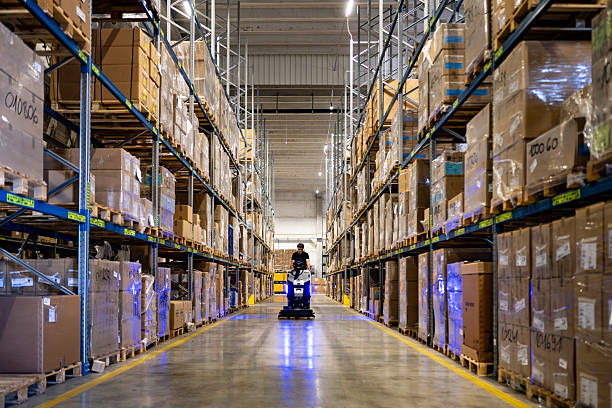
Warehouses
Forklifts, pallet movement and constant traffic can cause significant floor wear. A suitable epoxy system can provide a durable surface for these demanding conditions.
Workshops
Workshops may experience oils, grease, equipment movement and impact. Epoxy can help protect the underlying concrete while providing a surface that is easier to clean.
Manufacturing Facilities
Production areas can experience machinery, traffic, chemicals and regular cleaning. Epoxy may be considered where durability and chemical resistance are important.
Where Is Polyurethane Flooring Suitable?
Polyurethane can be considered for environments where temperature variation, thermal stress or flexibility are important factors.
Potential applications include:
- Food processing areas
- Commercial kitchens
- Cold storage
- Temperature-controlled facilities
- Wet working environments
- Areas requiring suitable slip resistance
For businesses in food-related environments, food service and hygiene flooring can provide further information about flooring requirements for these working conditions.
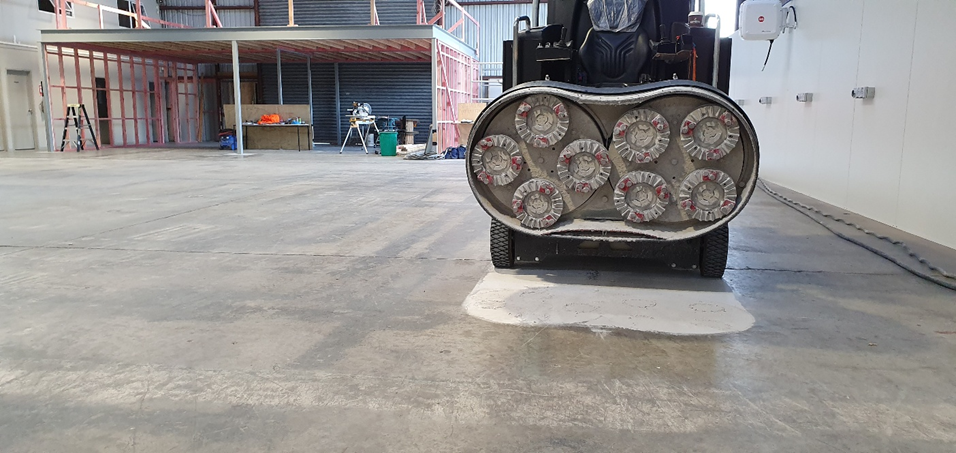
Why Surface Preparation Matters
The performance of any resin flooring system depends heavily on the condition and preparation of the substrate.
Before installation, the concrete may need to be assessed for:
- Cracks and damage
- Existing coatings
- Contamination
- Moisture
- Weak areas
- Uneven surfaces
- Dust and debris
Appropriate surface preparation helps create the conditions required for effective coating adhesion.
Choosing Commercial Flooring for Auckland Businesses
Businesses searching for epoxy flooring in Auckland should consider their facility’s specific requirements before selecting a flooring system.
A warehouse may prioritise abrasion resistance and forklift traffic, while a food-related facility may place greater emphasis on hygiene, cleaning and temperature variation.
Other facilities may require protection from chemicals, oils or solvents.
Solid Floors Limited assesses commercial and industrial flooring requirements and provides tailored solutions based on the operating conditions of the site.
Maintaining Resin Flooring
Regular maintenance can help preserve the condition of a resin floor.
Businesses should:
- Remove spills promptly.
- Sweep abrasive debris regularly.
- Use suitable cleaning methods.
- Avoid unnecessary dragging of heavy equipment.
- Inspect high-traffic areas.
- Address visible damage promptly.
- Keep drainage areas clear where applicable.
Maintenance requirements can vary according to the flooring system and operating environment.
Why Choose Solid Floors Limited?
Solid Floors Limited provides commercial and industrial flooring solutions for demanding working environments across New Zealand.
Solutions can be tailored for facilities requiring:
- Chemical resistance
- Abrasion resistance
- Heavy-duty performance
- Seamless finishes
- Hygienic surfaces
- Slip resistance
- Concrete protection
Conclusion
Choosing the right Commercial Flooring system requires an understanding of how the facility operates. Epoxy can be a strong option where hardness, chemical resistance, abrasion resistance and heavy traffic are key considerations. Polyurethane can be particularly useful where flexibility and temperature variation need to be addressed.
The correct system should be selected based on the complete operating environment, including traffic, chemical exposure, moisture, temperature, hygiene, safety and substrate condition. Proper surface preparation and professional installation are also essential for reliable flooring performance.
Solid Floors Limited provides commercial and industrial flooring solutions designed around the requirements of demanding working environments. Whether your facility requires epoxy, polyurethane, chemical resistant flooring or another suitable resin flooring system, the right specification can help protect the floor and support ongoing operations.
If you are planning a commercial flooring project or need advice on an existing floor, Contact us with your requirements to discuss a suitable flooring solution for your facility.
Frequently Asked Questions
1. Is epoxy or polyurethane better for commercial flooring?
Neither is universally better. Epoxy can be suitable where hardness, chemical resistance and mechanical durability are important, while polyurethane can be useful where flexibility and temperature variation are key considerations.
2. What is chemical resistant epoxy flooring?
Chemical resistant epoxy flooring is designed to protect suitable concrete surfaces from specified chemical exposure, including substances such as oils, solvents and cleaning agents.
3. Can resin flooring be installed over existing concrete?
Yes, provided the existing concrete is suitable and properly assessed and prepared before installation.
4. Can epoxy and polyurethane flooring be slip resistant?
Yes. Suitable resin flooring systems can incorporate slip-resistant finishes where required by the operating environment.
5. How do I choose between epoxy and polyurethane?
Consider traffic, chemicals, temperature variation, moisture, hygiene, slip resistance and the condition of the existing concrete. A professional assessment can help determine the most suitable system.