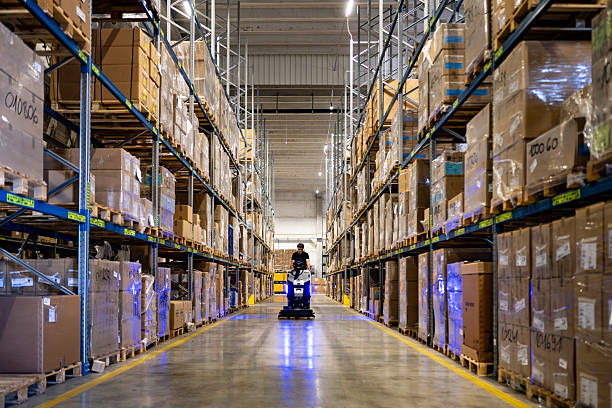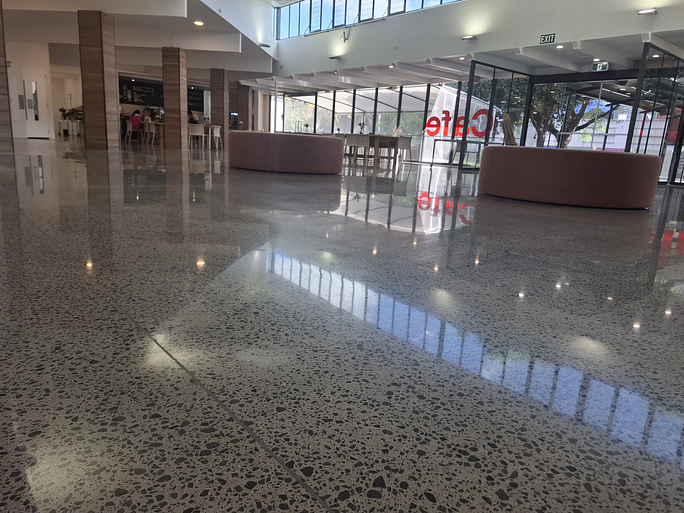
In food processing environments, maintaining strict hygiene standards is not optional. It is a critical requirement that directly impacts product safety, regulatory compliance, and business reputation. One of the most overlooked yet essential components of a hygienic facility is the flooring.
Food Grade Hygienic Flooring plays a vital role in preventing contamination, ensuring easy cleaning, and supporting safe daily operations. For businesses across New Zealand, investing in the right flooring system is a long-term decision that influences efficiency, durability, and compliance.
At Solid Floors Limited, we specialise in advanced resin-based flooring systems designed to meet the highest hygiene and performance standards across food processing and commercial environments.
What Is Food Grade Hygienic Flooring
Food grade hygienic flooring refers to specialised flooring systems designed for environments where cleanliness, sanitation, and contamination control are essential.
These flooring systems are:
- Seamless and joint-free
- Non porous and moisture resistant
- Easy to clean and maintain
- Resistant to bacteria and chemicals
- Durable under heavy traffic and equipment
Unlike traditional flooring, hygienic resin flooring eliminates cracks and gaps where bacteria can grow, making it ideal for food production facilities, commercial kitchens, and healthcare environments.
Why Food Processing Facilities Need Hygienic Flooring
Food processing facilities operate under strict safety and hygiene regulations. Flooring is constantly exposed to:
- Spills and moisture
- Heavy machinery
- Cleaning chemicals
- Temperature fluctuations
Without proper flooring, these conditions can lead to contamination risks, safety hazards, and costly repairs.
Key Reasons Why Hygienic Flooring Is Essential:
1. Prevents Bacterial Growth
Traditional flooring materials often contain joints and cracks where bacteria can accumulate. Food grade hygienic flooring provides a seamless surface that eliminates these risks.
2. Supports Food Safety Compliance
New Zealand businesses must adhere to strict food safety standards. Hygienic flooring helps meet compliance requirements by maintaining a clean and sanitised environment.
3. Improves Cleaning Efficiency
Smooth, non porous surfaces allow for faster and more effective cleaning, reducing downtime and labour costs.
4. Enhances Workplace Safety
Slip resistant finishes can be customised to reduce accidents in wet or high traffic areas.
Key Features of Food Grade Hygienic Flooring
Choosing the right flooring system means understanding its features and how they contribute to hygiene and durability.
1. Seamless Surface
A seamless floor removes joints and grout lines, preventing dirt and bacteria buildup.
2. Non Porous Structure
Liquids cannot penetrate the surface, which protects the substrate and prevents contamination.
3. Chemical Resistance
Food processing involves frequent cleaning with strong chemicals. Hygienic resin flooring resists damage from these substances.
4. Thermal Shock Resistance
Hot water washdowns and temperature changes can damage standard floors. Hygienic flooring is designed to withstand these conditions.
5. Slip Resistance
Safety is improved with tailored slip resistant textures suitable for different work environments.
Types of Hygienic Flooring Systems
Different environments require different flooring solutions. Below is a comparison of commonly used systems:
| Flooring Type | Key Features | Best Use Case |
|---|---|---|
| Epoxy Resin Flooring | Durable, seamless, chemical resistant | Dry food processing areas |
| Polyurethane Flooring | High thermal resistance, flexible | Hot washdown areas |
| MMA Flooring | Fast curing, quick installation | Facilities needing minimal downtime |
At Solid Floors Limited, we assess your operational needs and recommend the most suitable system for long-term performance.
Benefits of Food Grade Hygienic Flooring
1. Long Term Durability
Hygienic flooring systems are built to withstand heavy loads, machinery movement, and continuous use.
2. Reduced Maintenance Costs
Because the surface is seamless and resistant to damage, maintenance requirements are significantly lower.
3. Improved Hygiene Standards
Maintaining cleanliness becomes easier, helping reduce contamination risks.
4. Faster Installation with Minimal Downtime
Modern systems can be installed efficiently, allowing your operations to resume quickly.
Applications Across Industries
Food grade hygienic flooring is not limited to food processing plants. It is widely used in:
- Commercial kitchens
- Restaurants and hospitality spaces
- Dairy and beverage production units
- Pharmaceutical facilities
- Healthcare environments
Each industry benefits from improved hygiene, safety, and operational efficiency.
Installation Process of Hygienic Flooring
A professional installation process ensures long-lasting results.
Step by Step Process:
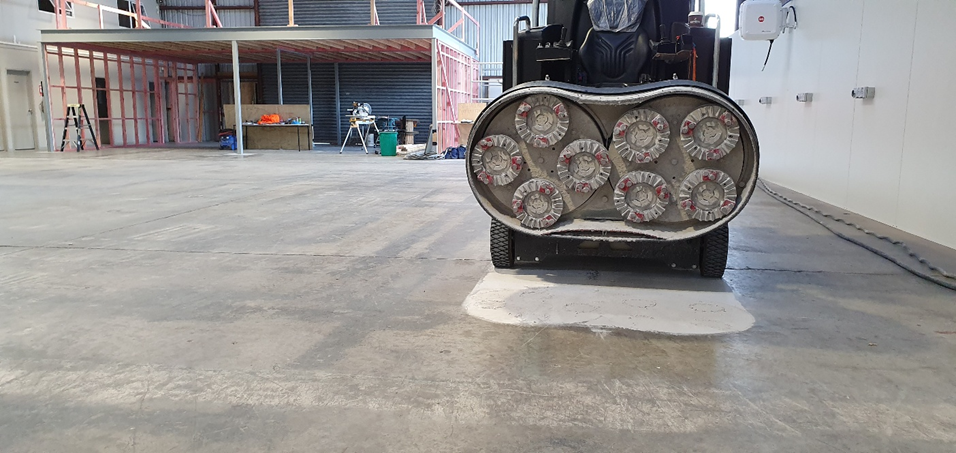
- Surface Preparation
The existing concrete is cleaned and prepared to ensure proper bonding. - Priming Layer Application
A base layer is applied to strengthen adhesion. - Resin System Installation
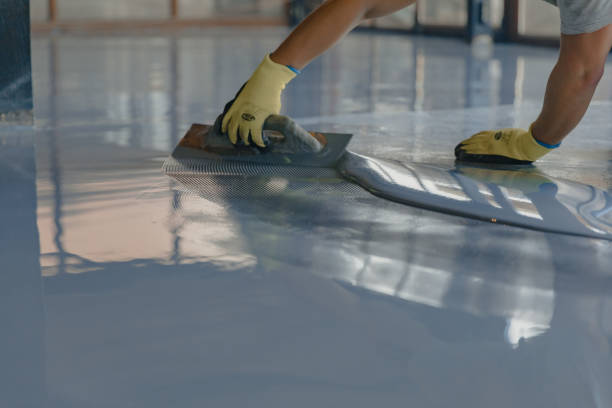
The selected flooring system is applied seamlessly. - Finishing and Texture
Slip resistance and finishes are customised based on your needs. - Curing and Inspection
The floor is allowed to cure and undergoes quality checks.
Working with experienced professionals like Solid Floors Limited ensures that every step meets industry standards.
Common Challenges Without Hygienic Flooring
Facilities that rely on traditional flooring often face:
- Cracking and surface damage
- Water seepage and mould growth
- Increased cleaning time
- Safety risks due to slippery surfaces
- Failure to meet compliance standards
Upgrading to food grade hygienic flooring eliminates these issues and improves overall facility performance.
How to Choose the Right Flooring Solution
Selecting the right flooring depends on several factors:
Consider the Following:
- Type of food processing operations
- Exposure to heat and chemicals
- Level of foot and machinery traffic
- Cleaning frequency
- Compliance requirements
Quick Tips:
- Choose polyurethane systems for high temperature areas
- Use epoxy systems for dry environments
- Opt for slip resistant finishes in wet zones
Our team at Solid Floors Limited provides tailored recommendations to match your operational needs.
Maintenance Tips for Hygienic Flooring
To ensure long-term performance, follow these maintenance practices:
- Clean regularly using approved cleaning agents
- Avoid abrasive tools that may damage the surface
- Inspect for wear and address minor issues early
- Schedule periodic professional maintenance
Proper care helps maintain hygiene and extends the life of your flooring system.
Why Choose Solid Floors Limited
With decades of experience in industrial and hygienic flooring, Solid Floors Limited understands the unique challenges faced by food processing facilities in New Zealand.
What Sets Us Apart:
- Industry expertise in food and healthcare sectors
- Customised flooring solutions
- Compliance with NZ standards
- Fast and efficient installation
- Long-lasting and reliable systems
We focus on delivering flooring solutions that support your business operations without compromise.
Conclusion
Food safety and hygiene are fundamental to the success of any food processing facility. Flooring plays a critical role in maintaining these standards, yet it is often underestimated.
Investing in Food Grade Hygienic Flooring ensures a safer, cleaner, and more efficient working environment. From preventing contamination to improving durability, the benefits extend across every aspect of your operation.
If you are planning to upgrade your facility or install a new flooring system, choosing the right partner is essential. Solid Floors Limited offers tailored solutions designed for performance, compliance, and long-term value.
Contact us today to discuss your requirements and get a customised hygienic flooring solution for your business.
FAQs
1. What is food grade hygienic flooring?
Food grade hygienic flooring is a seamless, non porous flooring system designed to maintain high hygiene standards in food processing environments.
2. Why is hygienic flooring important in food facilities?
It prevents bacterial growth, improves cleaning efficiency, and ensures compliance with food safety regulations.
3. Is resin flooring suitable for food processing plants?
Yes, resin flooring is widely used due to its durability, chemical resistance, and seamless finish.
4. Can hygienic flooring handle high temperatures?
Yes, certain systems like polyurethane flooring are designed to withstand thermal shock and hot washdowns.
5. Is hygienic flooring slip resistant?
Yes, slip resistant finishes can be customised based on safety requirements.