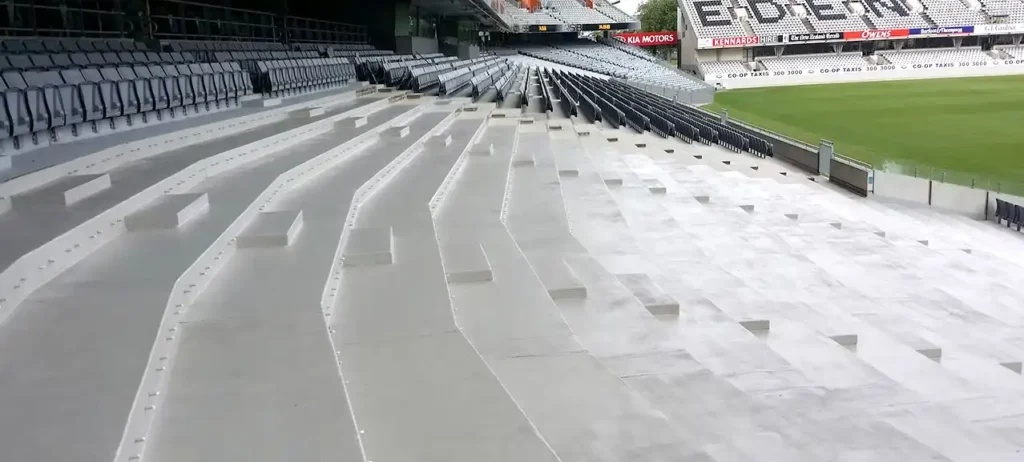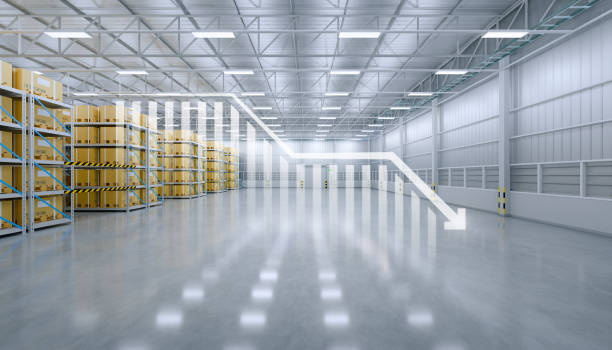
Industrial and commercial facilities require flooring systems that can withstand constant traffic, machinery movement, spills, and demanding operational conditions. Choosing the right flooring solution plays a major role in safety, durability, maintenance, and the overall appearance of a facility. Across New Zealand, many businesses are turning to the polished concrete floor as a reliable and long lasting option for warehouses, factories, retail environments, workshops, and public spaces.
Concrete grinding and polishing have become essential processes in modern industrial flooring NZ projects because they improve both the performance and appearance of concrete surfaces. A professionally polished concrete floor in NZ offers durability, low maintenance requirements, improved hygiene, and a sleek professional finish suitable for high traffic environments.
At Solid Floors Limited, industrial flooring solutions are tailored to meet the needs of commercial and industrial facilities throughout New Zealand. Through advanced grinding, polishing, and surface preparation techniques, businesses can achieve floors that are designed for long term performance.
This article explains how concrete grinding and polishing improve industrial flooring performance and why this flooring solution continues to grow in popularity across New Zealand.
Understanding Concrete Grinding & Polishing
Concrete grinding and polishing is a specialised flooring process designed to strengthen, refine, and improve the appearance of concrete surfaces. The process uses industrial grinding equipment and polishing techniques to create a smooth and durable finish.
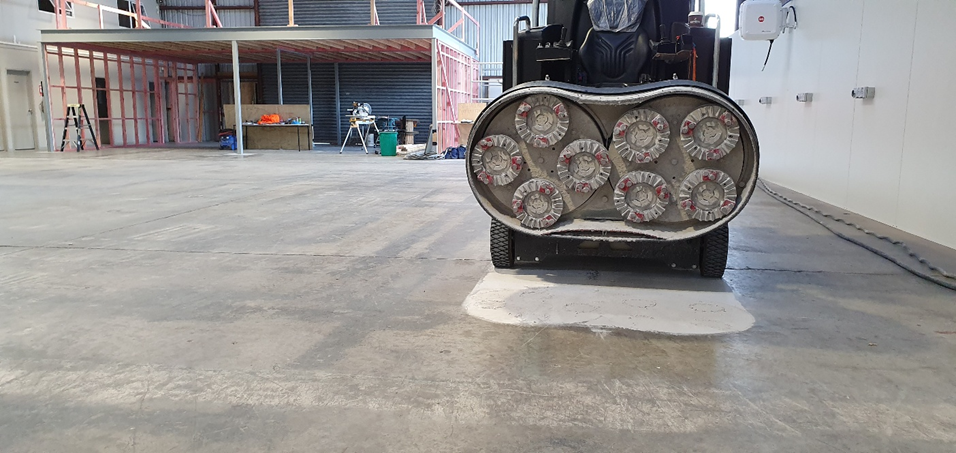
Concrete grinding removes surface imperfections, coatings, uneven areas, and contaminants. After grinding, the floor undergoes progressive polishing stages that enhance smoothness, shine, and durability.
The process typically includes:
- Surface preparation
- Grinding and levelling
- Crack and joint repairs
- Progressive polishing
- Surface densification
- Protective sealing
The final result is a polished concrete floor that is durable, visually appealing, and highly practical for industrial environments.
Why Industrial Facilities Need High Performance Flooring
Industrial facilities experience daily stress from:
- Heavy machinery
- Forklift traffic
- Foot traffic
- Chemical exposure
- Dust accumulation
- Moisture and spills
- Abrasion and impact
Traditional flooring systems may wear down quickly under these conditions, leading to costly repairs and operational disruptions. A polished concrete floor in NZ provides a strong surface capable of handling these challenges while maintaining a professional appearance.
For industries such as warehousing, manufacturing, logistics, retail, aviation, and food processing, durable industrial flooring is essential for maintaining operational efficiency and workplace safety.
Key Benefits of Concrete Grinding & Polishing for Industrial Flooring
Enhanced Durability
One of the biggest advantages of concrete grinding and polishing is improved durability. Industrial floors must handle continuous use without cracking, chipping, or deteriorating.
Polished concrete floors are highly resistant to:
- Abrasion
- Heavy traffic
- Machinery movement
- Impact damage
- Surface wear
The grinding process strengthens the surface by removing weak layers and exposing solid concrete underneath. Densifiers further harden the floor, increasing its resistance to wear and tear.
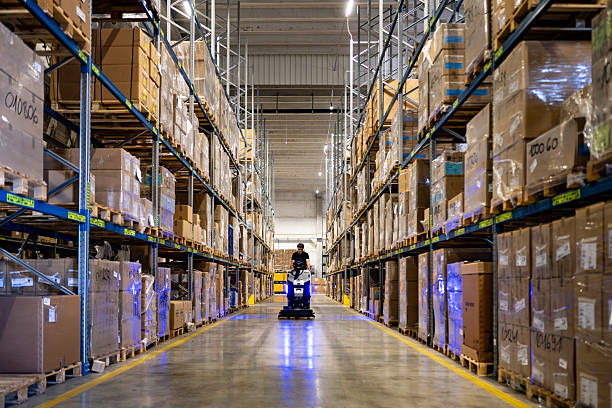
This makes polished warehouse floors ideal for facilities with demanding daily operations.
Improved Surface Strength
Industrial flooring needs to support significant weight loads. Warehouses, factories, and distribution centres often use forklifts, pallet jacks, and industrial equipment that place stress on flooring surfaces.
Concrete grinding and polishing improve load bearing performance by creating a dense and stable surface. The polished finish reduces surface weaknesses and helps maintain structural integrity over time.
This makes commercial polished concrete floors suitable for:
| Industrial Environment | Flooring Requirements |
|---|---|
| Warehouses | Heavy forklift traffic |
| Manufacturing plants | Machinery resistance |
| Retail stores | High foot traffic durability |
| Workshops | Impact resistance |
| Car parks | Surface strength and safety |
| Distribution centres | Continuous operational use |
Reduced Maintenance Requirements
Maintenance is a major concern for industrial facilities. Some flooring systems require regular waxing, coatings, repairs, or replacement.
A polished concrete floor requires minimal maintenance compared to many other commercial flooring options.
Benefits include:
- Easy cleaning
- Reduced dust accumulation
- No waxing required
- Lower long term maintenance demands
- Improved stain resistance
- Minimal repair needs
Low maintenance concrete floors help businesses reduce downtime while keeping facilities clean and professional.
Routine maintenance usually involves:
- Sweeping
- Dry dust mopping
- Occasional damp mopping
- Periodic inspections
This simplicity makes concrete floor polishing Auckland projects particularly attractive for busy industrial environments.
Improved Workplace Safety
Safety is a critical consideration in industrial flooring NZ projects. Unsafe flooring surfaces can increase the risk of:
- Slips
- Trips
- Falls
- Dust related hazards
- Uneven surfaces
Concrete grinding removes surface irregularities and creates a level floor, helping reduce trip hazards. Polished concrete also improves visibility because reflective surfaces enhance lighting conditions throughout the facility.
Additional safety benefits include:
- Dust reduction
- Slip resistant treatment options
- Better light reflection
- Cleaner working environments
- Reduced moisture penetration
For industrial facilities where safety compliance is essential, polished concrete floors provide a practical and dependable solution.
Better Hygiene & Cleanliness
Many commercial and industrial environments require hygienic flooring surfaces that are easy to clean and maintain.
A polished concrete floor creates a seamless surface that does not trap dirt, dust, or debris. Unlike flooring systems with grout lines or textured surfaces, polished concrete supports easier cleaning and improved hygiene management.
This is particularly beneficial for:
- Food service facilities
- Warehouses
- Retail spaces
- Healthcare environments
- Commercial kitchens
- Manufacturing facilities
Dust reduction is another important benefit. Concrete grinding and polishing minimise airborne dust particles that can affect air quality and workplace cleanliness.
Increased Light Reflectivity
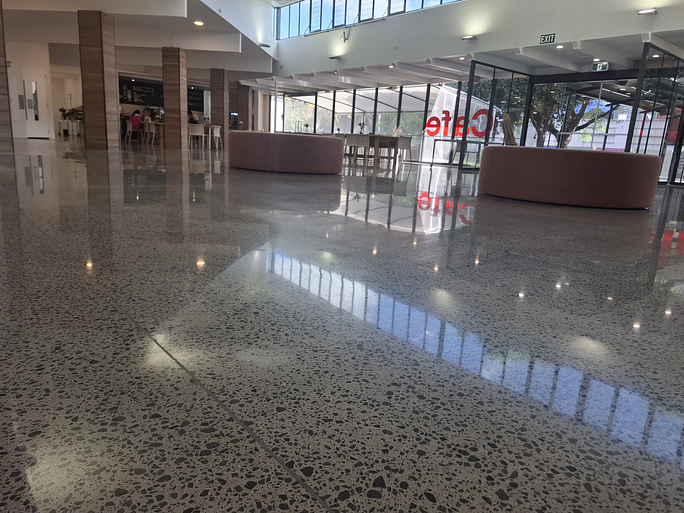
Industrial buildings often require extensive lighting systems to maintain visibility and workplace safety. A polished concrete floor improves light reflectivity, helping brighten indoor spaces naturally.
Benefits include:
- Improved visibility
- Enhanced workspace appearance
- Reduced reliance on artificial lighting
- Better overall presentation
Reflective flooring is particularly valuable in warehouses and commercial facilities where visibility is essential for safe operations.
Modern & Professional Appearance
Industrial flooring no longer needs to look dull or purely functional. Businesses increasingly want flooring systems that combine durability with visual appeal.
Concrete grinding and polishing enhance the natural appearance of concrete, creating a sleek and professional finish suitable for:
- Retail spaces
- Commercial showrooms
- Office interiors
- Industrial facilities
- Public areas
Finishing options can include:
- Matte finishes
- Satin finishes
- High gloss finishes
A polished concrete floor in NZ creates a modern environment while maintaining industrial performance standards.
Long Term Flooring Performance
Industrial flooring is a long term investment. Businesses need flooring systems that continue performing effectively for years.
Concrete grinding and polishing improve longevity by:
- Strengthening the concrete surface
- Reducing wear
- Protecting against abrasion
- Improving resistance to traffic damage
- Minimising surface deterioration
Because polished concrete floors require fewer repairs and less maintenance, they deliver long term operational value for commercial and industrial facilities.
The Concrete Grinding & Polishing Process
Understanding the flooring process helps businesses see why professional installation is essential.
1. Surface Inspection & Assessment
The process begins with evaluating the existing concrete condition. This includes checking for:
- Cracks
- Surface damage
- Moisture issues
- Uneven areas
- Existing coatings
The assessment helps determine the best grinding and polishing approach.
2. Surface Preparation
Proper preparation is essential for successful results. Surface preparation may involve:
- Removing coatings
- Cleaning contaminants
- Repairing cracks
- Levelling uneven surfaces
This stage ensures strong adhesion and optimal polishing performance.
3. Grinding
Industrial grinding equipment removes surface imperfections while refining the concrete.
Grinding improves:
- Surface smoothness
- Floor flatness
- Structural consistency
- Durability
Different grinding stages use progressively finer abrasives to achieve the desired finish.
4. Densification
Concrete densifiers strengthen the concrete surface by filling pores and increasing hardness.
Benefits include:
- Improved abrasion resistance
- Enhanced durability
- Reduced dusting
- Better long term performance
5. Polishing
The polishing stage creates the final finish. Businesses can choose different sheen levels depending on operational and aesthetic requirements.
Options may include:
- Matte
- Semi gloss
- High gloss
Polishing enhances both performance and visual appeal.
6. Sealing & Protection
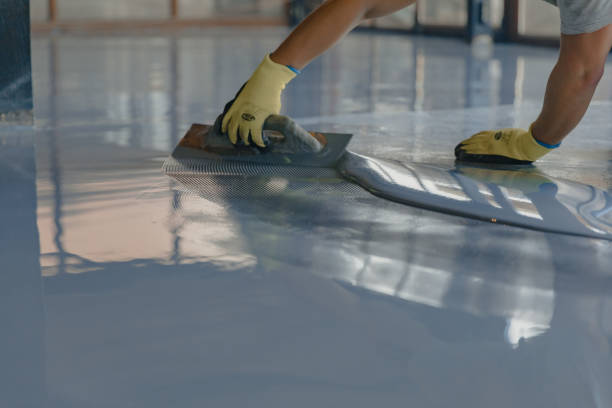
Protective sealers improve stain resistance and help protect the floor from moisture, spills, and daily wear.
This final step contributes to easier maintenance and extended flooring lifespan.
Industries That Benefit from Polished Concrete Floors
Concrete grinding and polishing are suitable for a wide range of industries throughout New Zealand.
Warehousing & Distribution
Warehouse concrete flooring must withstand:
- Forklift traffic
- Heavy loads
- Constant movement
- Operational wear
Polished warehouse floors provide the strength and durability required for these environments.
Manufacturing Facilities
Manufacturing plants require durable industrial flooring capable of handling machinery, production equipment, and continuous operations.
Polished concrete supports long term industrial use while reducing maintenance interruptions.
Retail & Commercial Spaces
Commercial polished concrete floors create a clean and professional appearance while maintaining excellent durability.
Retail facilities benefit from:
- Improved aesthetics
- Easy maintenance
- High traffic performance
- Enhanced lighting reflection
Workshops & Automotive Facilities
Workshops require flooring systems resistant to:
- Oil exposure
- Abrasion
- Heavy equipment
- Impact damage
Polished concrete provides practical performance in demanding workshop environments.
Public & High Traffic Areas
Public facilities and commercial entrances require flooring that remains visually appealing under heavy use.
Concrete polishing delivers a durable and attractive flooring solution suitable for high traffic environments.
Why Professional Installation Matters
Industrial flooring performance depends heavily on proper installation techniques.
Professional concrete grinding and polishing ensure:
- Correct surface preparation
- Proper grinding stages
- Consistent polishing results
- Long lasting performance
- Minimal operational disruption
Experienced flooring specialists use advanced equipment and proven methods to achieve reliable outcomes for industrial and commercial facilities.
At Solid Floors Limited, flooring systems are tailored to suit operational requirements, traffic demands, and facility conditions throughout New Zealand.
Choosing the Right Industrial Flooring Solution
When selecting industrial flooring NZ businesses should consider:
| Consideration | Importance |
|---|---|
| Traffic levels | Determines durability needs |
| Maintenance requirements | Impacts long term upkeep |
| Safety needs | Supports workplace compliance |
| Appearance | Improves professional presentation |
| Moisture exposure | Affects floor protection |
| Operational demands | Ensures flooring suitability |
Concrete grinding and polishing provide a versatile solution capable of meeting these requirements across multiple industries.
Sustainability Benefits of Polished Concrete Floors
Businesses are increasingly prioritising environmentally responsible building solutions.
Polished concrete floors support sustainability by:
- Using existing concrete slabs
- Reducing material waste
- Minimising chemical use
- Improving energy efficiency through light reflectivity
- Reducing replacement frequency
This makes polished concrete floor solutions a practical option for environmentally conscious commercial facilities.
Common Signs Your Industrial Floor Needs Grinding & Polishing
Businesses should consider concrete grinding and polishing if they notice:
- Surface dusting
- Uneven flooring
- Cracks or deterioration
- Stained surfaces
- Excessive wear
- Poor appearance
- Difficult cleaning conditions
Upgrading industrial flooring early can help prevent more significant operational and maintenance issues later.
The Future of Industrial Flooring in NZ
Industrial flooring continues to evolve as businesses seek stronger, safer, and lower maintenance surfaces.
Concrete grinding and polishing remain one of the most effective flooring solutions because they combine:
- Durability
- Hygiene
- Professional appearance
- Low maintenance
- Long term reliability
As more businesses invest in efficient commercial facilities, polished concrete floor in NZ solutions will continue growing in popularity.
Conclusion
Concrete grinding and polishing play a vital role in improving industrial flooring performance across commercial and industrial environments in New Zealand. From enhanced durability and workplace safety to reduced maintenance and improved aesthetics, a polished concrete floor offers long term advantages for warehouses, manufacturing facilities, retail spaces, workshops, and public environments.
By investing in professional concrete grinding and polishing NZ services, businesses can create durable industrial flooring designed to withstand heavy use while maintaining a clean and modern appearance.
At Solid Floors Limited, every flooring solution is tailored to meet operational requirements and deliver reliable long term performance. If you are planning to upgrade your industrial flooring or install a polished concrete floor in NZ, contact us today to discuss the right solution for your facility.
Frequently Asked Questions
1. Is polished concrete suitable for industrial facilities?
Yes. Polished concrete floors are highly durable and suitable for warehouses, factories, workshops, and other high traffic industrial environments.
2. How does concrete grinding improve flooring performance?
Concrete grinding removes surface imperfections, levels uneven areas, and strengthens the concrete surface for improved durability and long term performance.
3. Are polished concrete floors easy to maintain?
Yes. Polished concrete floors are considered low maintenance concrete floors because they are easy to clean and require minimal upkeep.
4. Where can polished concrete floors be installed?
Polished concrete floors can be installed in warehouses, retail stores, factories, workshops, offices, car parks, and public commercial spaces.
5. Why choose professional concrete floor polishing Auckland services?
Professional installation ensures proper surface preparation, grinding, polishing, and sealing for reliable long term flooring performance.