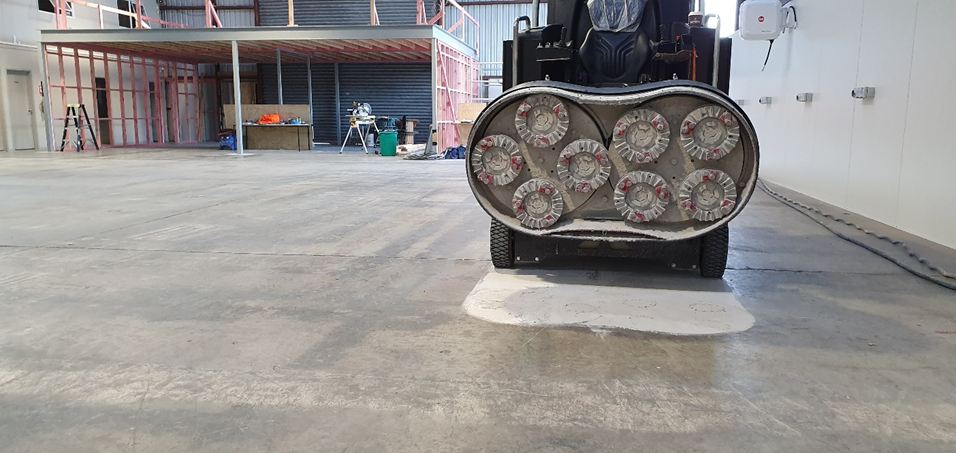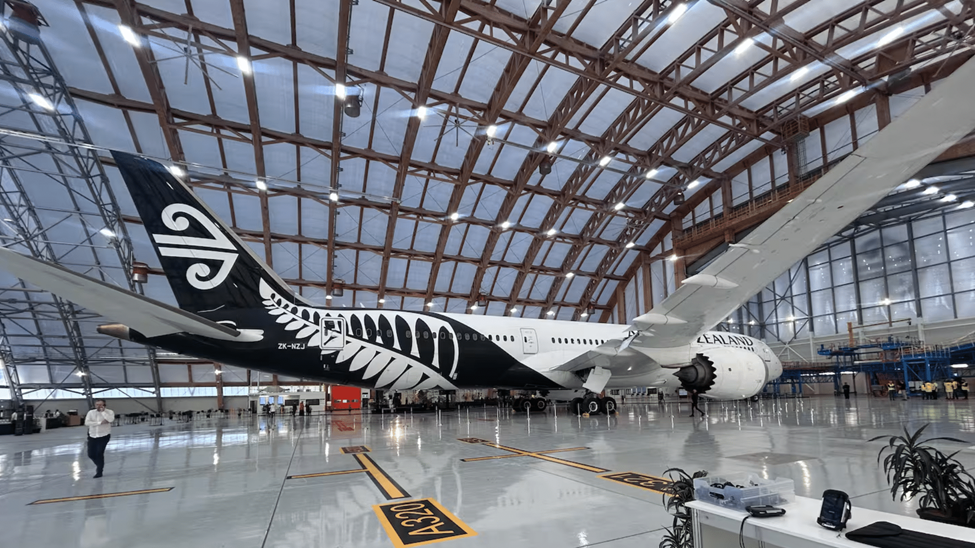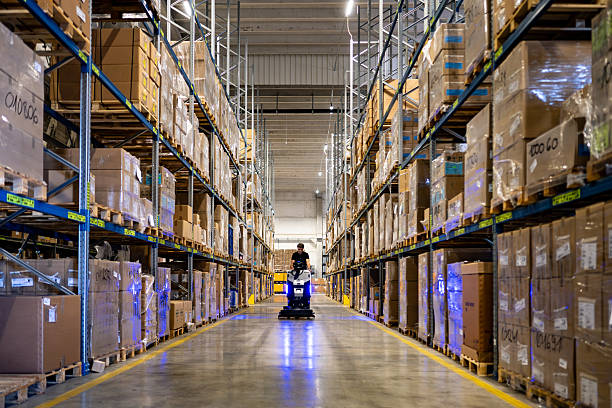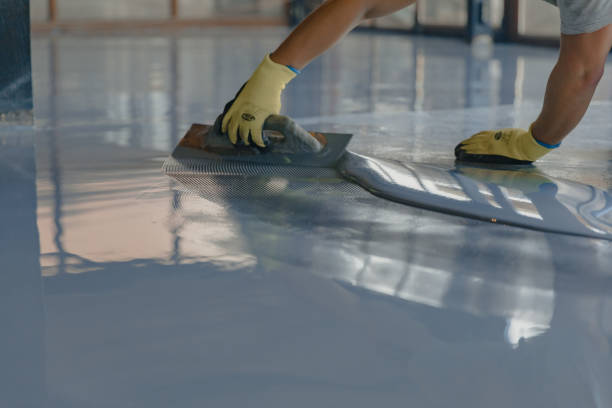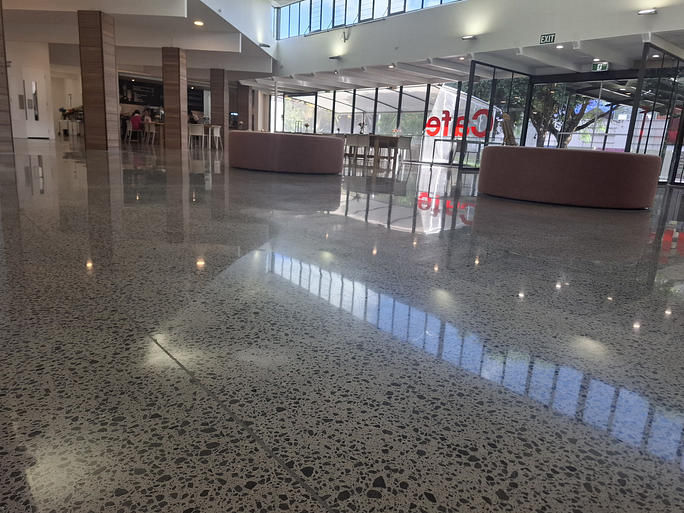
A Commercial Concrete Floor is designed to handle demanding environments, heavy foot traffic, equipment movement and regular operational activity. However, even durable concrete flooring needs a structured maintenance routine to remain safe, clean and functional. For facility managers, regular inspections and preventative care can help identify issues before they become larger flooring problems.
Commercial facilities may include warehouses, retail spaces, workshops, public areas, food service environments and other high-traffic workplaces. Each setting can place different demands on the floor, making an organised maintenance checklist an important part of facility management.
Solid Floors Limited provides specialised commercial and industrial flooring solutions, including Concrete Grinding & Polishing, resin flooring systems and protective coatings. Understanding how to care for these surfaces can help facility managers maintain their flooring investment and support a safer working environment.
Why Commercial Concrete Floor Maintenance Matters
Concrete is recognised for its durability, but its performance depends on the environment and how the surface is used and maintained. Dirt, moisture, chemical exposure, abrasion and heavy traffic can gradually affect the appearance and condition of a floor.
A regular maintenance programme can help facility managers:
- Identify surface damage early
- Maintain a cleaner working environment
- Reduce slip and trip hazards
- Protect the surface from unnecessary wear
- Support workplace safety requirements
- Maintain the appearance of commercial spaces
- Extend the functional life of the flooring system
Maintenance should not only happen when visible damage occurs. Routine inspections provide an opportunity to identify developing problems before they interfere with daily operations.
Commercial Concrete Floor Maintenance Checklist
The following checklist can help facility managers establish a practical maintenance routine.
| Maintenance Area | What to Check | Recommended Action |
| Surface condition | Cracks, chips, wear or deterioration | Record and assess affected areas |
| Cleanliness | Dirt, dust, spills and residues | Use an appropriate cleaning routine |
| Moisture | Standing water or damp areas | Investigate the source and remove moisture |
| Traffic areas | Heavy wear or surface deterioration | Monitor high-use zones more frequently |
| Joints | Damaged or deteriorated joints | Arrange assessment where required |
| Coatings | Peeling, damage or wear | Inspect and determine suitable remedial action |
| Safety | Slippery or uneven areas | Address hazards promptly |
| Drainage | Blocked or ineffective drainage | Clear and inspect drainage points |
1. Inspect the Floor Regularly
Routine inspections are one of the simplest ways to monitor a commercial concrete floor.
Facility managers should look for visible changes such as:
- Cracks
- Surface chips
- Uneven areas
- Excessive wear
- Staining
- Surface deterioration
- Damaged joints
- Coating failure
High-traffic areas should receive particular attention because repeated movement from people, vehicles or equipment can increase surface wear.
It is also useful to document observations during inspections. Photographs and maintenance records can help facility managers identify whether a particular area is deteriorating over time.
2. Maintain a Consistent Cleaning Routine
Regular cleaning removes dirt and contaminants that can gradually affect the surface.
The appropriate cleaning method depends on the type of concrete finish and the environment. Facilities should establish cleaning procedures that suit the flooring system while avoiding methods or products that could unnecessarily damage the surface.
Spills should be dealt with promptly, particularly in workplaces where liquids, food products or other substances are regularly handled.
For environments requiring additional hygiene considerations, Solid Floors Limited provides Food Grade & Hygienic Flooring solutions designed for specialised commercial environments.
3. Monitor High-Traffic Areas
Not every part of a facility experiences the same level of use.
Entrances, loading areas, walkways, production zones and equipment routes may experience considerably more traffic than other sections of the floor.
Facility managers should identify these areas and include them in more frequent inspections.
Signs of excessive wear may include changes in surface texture, visible deterioration, damage around joints or areas where the finish has become difficult to maintain.
4. Address Spills and Contamination Quickly
Spills should never be left unattended when they can create a safety or maintenance issue.
Water and other liquids can create slip hazards, while certain chemicals or substances may affect flooring surfaces if they remain in contact with them for extended periods.
Where a facility handles chemicals or abrasive materials, the flooring system should be appropriate for the environment. Solid Floors Limited provides Chemical & Abrasion Resistant Coatings for demanding commercial and industrial applications.
5. Check for Cracks and Surface Damage
Small cracks or areas of deterioration should be recorded and assessed rather than ignored.
The cause of the damage can be important. Surface wear may result from traffic, impact or environmental conditions, while other issues may require a more detailed assessment.
A maintenance checklist should therefore record:
- Location of the damage
- Approximate size
- Type of visible damage
- Whether the area is exposed to heavy traffic
- Whether the condition is changing over time
This information can help flooring professionals determine an appropriate maintenance or repair approach.
6. Inspect Joints and Transitions
Joints and transitions can experience additional stress, particularly in large commercial facilities.
During routine inspections, facility managers should check for deterioration, separation or damage around these areas. They should also monitor transitions between different flooring surfaces and areas around entrances or equipment routes.
Early identification can make it easier to plan maintenance without unnecessarily disrupting facility operations.
7. Monitor Moisture and Drainage
Moisture can create problems for commercial flooring if it is not properly controlled.
Facility managers should regularly check areas where water may accumulate, including entrances, wash-down areas, external transitions and locations near drainage points.
Blocked drains or poor water management can contribute to ongoing moisture exposure. Addressing the underlying source is important rather than simply cleaning the affected floor repeatedly.
For areas exposed to water, Solid Floors Limited also provides Waterproofing for Carparks & Decks to help protect structures from water-related damage.
8. Assess Polished Concrete Surfaces
Polished concrete requires appropriate cleaning and ongoing care to retain its appearance and performance.
Facilities with polished surfaces should monitor areas exposed to heavy traffic and identify changes in the finish. Regular cleaning can help remove contaminants before they build up and affect the appearance of the floor.
Where a surface requires professional attention, Concrete Grinding & Polishing can be considered as part of a broader flooring maintenance strategy.
9. Review Flooring Performance Annually
In addition to routine inspections, facility managers should conduct a broader flooring review periodically.
The review can consider:
- Areas with recurring damage
- Changes in traffic levels
- Cleaning requirements
- Safety concerns
- Moisture exposure
- Chemical exposure
- Changes in facility use
- Future operational requirements
This review can help determine whether existing flooring continues to meet the demands of the facility.
When Should a Commercial Concrete Floor Be Professionally Assessed?
A professional assessment may be appropriate when facility managers notice significant cracking, surface deterioration, persistent moisture problems, coating failure or increasing maintenance requirements.
Professional assessment can also be useful when a facility is changing its use. For example, a warehouse being converted into a production environment may require a flooring system with different performance characteristics.
How Facility Managers Can Build a Practical Maintenance Schedule
A simple maintenance schedule can make flooring care easier to manage.
Daily
- Remove spills promptly
- Keep floors free from unnecessary debris
- Check obvious safety hazards
- Monitor high-use areas
Weekly
- Conduct a more detailed surface inspection
- Check entrances and traffic routes
- Review areas exposed to moisture
- Record any new damage
Monthly
- Inspect joints and transitions
- Review high-traffic zones
- Check drainage areas
- Review maintenance records
Annually
- Conduct a broader flooring condition review
- Identify recurring problems
- Assess changing operational requirements
- Consider professional flooring assessment where appropriate
Conclusion
A well-maintained Commercial Concrete Floor can support the day-to-day requirements of busy commercial and industrial facilities. Regular inspections, appropriate cleaning, prompt attention to spills and damage, and ongoing monitoring of high-traffic areas can help facility managers maintain safe and functional flooring.
Maintenance requirements will vary depending on the flooring system and the environment in which it is installed. Where professional assessment, concrete polishing, protective coatings or specialised flooring solutions are required, Solid Floors Limited has more than 25 years of experience working across commercial and industrial environments.
If you are reviewing the condition of an existing floor or planning flooring requirements for a commercial facility, Contact us with your project requirements and discuss an appropriate flooring solution with Solid Floors Limited.
Frequently Asked Questions
1. How often should commercial concrete floors be inspected?
High-traffic commercial floors should be checked regularly, with inspection frequency based on the facility’s usage, environment and flooring system. Daily observations can be combined with more detailed weekly, monthly and annual reviews.
2. How do you maintain polished concrete floors?
Polished concrete should be cleaned regularly using suitable methods for the specific finish. Spills should be addressed promptly, while high-traffic areas should be monitored for changes in appearance or surface condition.
3. What can damage a commercial concrete floor?
Heavy traffic, impact, abrasion, moisture, chemicals, poor drainage and unsuitable cleaning practices can all contribute to flooring deterioration depending on the environment.
4. Can concrete flooring be used in industrial environments?
Yes. Concrete flooring can be suitable for many industrial environments when the floor finish or protective system is selected according to the site’s traffic, chemical exposure, hygiene and operational requirements.
5. What should facility managers include in a concrete floor maintenance checklist?
A useful checklist should cover surface condition, cleaning, spills, moisture, drainage, joints, traffic areas, safety hazards, coatings and any changes in flooring performance.