Commercial polished concrete floors are designed to handle demanding environments while providing a clean, modern and professional finish. In warehouses, retail spaces, showrooms, factories and other commercial facilities, flooring can experience constant foot traffic, machinery movement, spills and everyday wear. Regular maintenance is therefore essential to preserve the appearance, performance and longevity of the surface.
The right maintenance approach does more than keep a floor looking clean. It helps protect the polished surface, reduce the build-up of dirt and contaminants, identify potential problems early and support a safer working environment.
For businesses using commercial polished concrete floors, understanding how to clean, inspect and care for the surface can make a significant difference over its service life. Solid Floors Limited provides commercial and industrial flooring solutions designed around the operational requirements of different environments, from surface preparation and concrete polishing through to protective finishing.
This guide explains practical ways to maintain polished concrete floors and get the best long-term performance from your commercial flooring system.
Why Regular Maintenance Matters for Commercial Polished Concrete Floors
Polished concrete is known for being durable and relatively easy to maintain. However, low maintenance does not mean no maintenance. Commercial floors still need a consistent cleaning and care routine, particularly where heavy traffic, forklifts, machinery or spills are common.
Regular maintenance can help:
- Preserve the appearance of the polished surface
- Remove abrasive dirt and debris
- Reduce the risk of surface staining
- Maintain a clean and professional environment
- Identify wear or damage before it becomes more significant
- Support long-term floor performance
- Reduce unnecessary disruption to business operations
Solid Floors Limited designs flooring solutions for commercial and industrial environments where durability and practical performance are important.
Create a Consistent Cleaning Routine
One of the simplest ways to care for polished concrete is to establish a regular cleaning schedule.
Dust, grit and dirt can accumulate in busy commercial environments. When abrasive particles remain on the floor, regular traffic can move them across the surface and contribute to gradual wear.
A routine should generally include:
- Removing loose dirt and debris regularly.
- Cleaning spills promptly.
- Using suitable cleaning equipment for the floor and operating environment.
- Paying additional attention to high-traffic areas.
- Monitoring areas around entrances, loading zones and machinery.
The exact cleaning frequency should reflect how the space is used. A busy warehouse may require more frequent cleaning than a lightly used commercial area.
Remove Spills and Contaminants Promptly
Commercial environments can involve liquids, food products, oils, chemicals or other substances that may affect flooring if they are left unattended.
Although polished concrete provides a durable surface, prompt spill management remains an important part of floor care. Allowing contaminants to remain on the surface for extended periods can make cleaning more difficult and may affect the appearance of the floor.
Businesses should establish clear procedures for dealing with spills and ensure staff know where appropriate cleaning equipment is available.
For specialised environments where chemical exposure or hygiene requirements are significant, a different flooring system may be more appropriate. Solid Floors Limited also provides chemical and abrasion-resistant coatings for demanding industrial environments.
Protect High-Traffic Areas
Not every section of a commercial building experiences the same level of use.
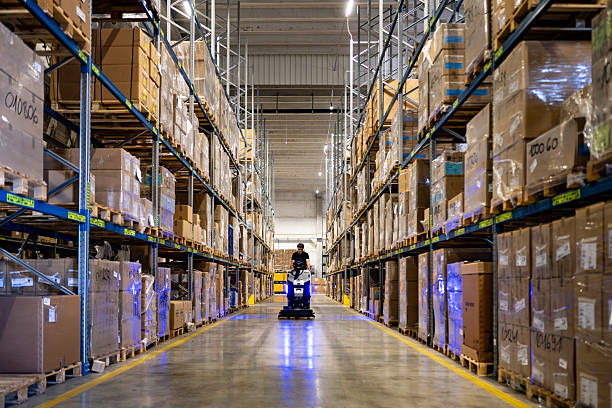
Entranceways, warehouse aisles, loading areas, production zones and areas around machinery may experience significantly more traffic than other sections of a building. Identifying these areas allows businesses to focus maintenance where it matters most.
Consider:
- Monitoring areas used by forklifts and machinery
- Keeping entrances free from excessive dirt and grit
- Maintaining clear walkways
- Addressing damaged or deteriorating sections promptly
- Reviewing cleaning schedules based on traffic levels
The durability of polished concrete makes it suitable for demanding commercial applications, including areas exposed to heavy foot traffic and forklift movement.
Use the Right Cleaning Approach
A polished concrete floor should be maintained using cleaning methods appropriate for its finish and environment.
Avoid treating every commercial floor in exactly the same way. The cleaning requirements of a retail showroom can differ from those of a warehouse, workshop or food-related environment.
A good maintenance plan should consider:
| Area | Maintenance Consideration |
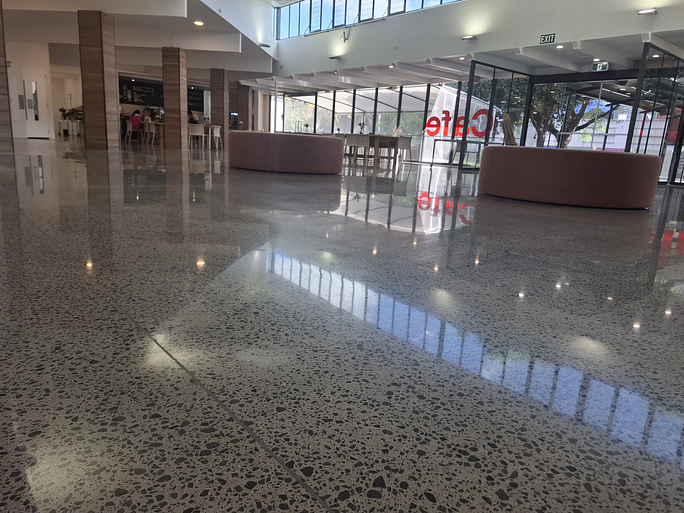
| Retail and showrooms | Focus on appearance, cleanliness and presentation |
| Warehouses | Manage dust, grit and forklift traffic |
| Factories | Monitor spills, machinery areas and heavy wear |
| Food environments | Prioritise hygiene and suitable cleaning procedures |
| Car parks and loading areas | Focus on debris, traffic and surface condition |
Solid Floors Limited works across retail, warehousing, food service, public spaces, workshops and other specialised environments.
Keep Abrasive Debris Under Control
Grit and loose debris can be particularly problematic in high-traffic areas. When vehicles, equipment or people repeatedly move over particles on the floor, they can act as an abrasive material.
This is why entrance areas and frequently used pathways should receive regular attention.
Businesses can help minimise this issue by:
- Cleaning entrances regularly
- Removing loose debris quickly
- Keeping storage and loading areas organised
- Maintaining suitable cleaning schedules
- Inspecting busy floor zones regularly
Small maintenance actions performed consistently can help protect the overall condition of the flooring.
Inspect the Floor Regularly
Cleaning and maintenance should be combined with routine inspections.
A visual inspection can help identify changes such as:
- Cracks
- Surface damage
- Staining
- Uneven areas
- Excessive wear
- Damage around joints
- Areas requiring additional attention
Early identification allows businesses to investigate potential problems before they interfere with normal operations.
For larger commercial properties, inspections can be incorporated into existing building or facilities management routines.
Understand the Role of Grinding and Polishing
Maintaining commercial polished concrete floors begins with understanding how the system is created.
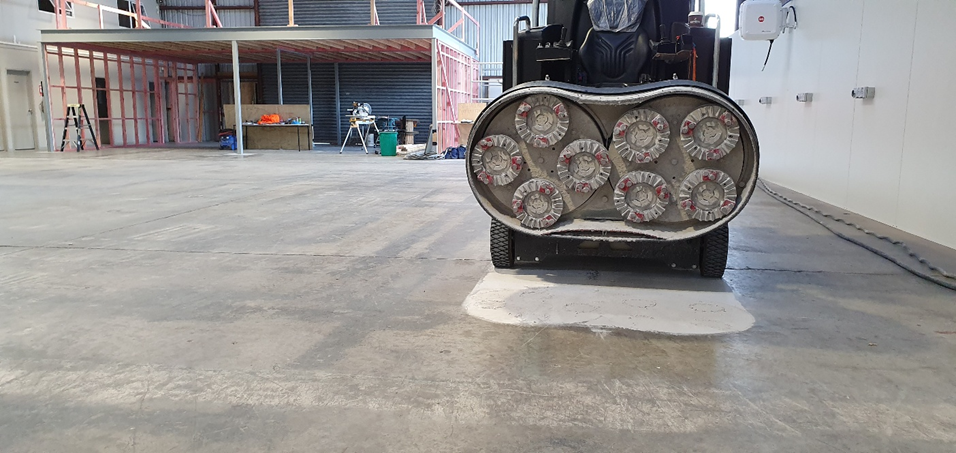
Concrete grinding helps prepare and refine the concrete surface by removing imperfections and creating a suitable base. Progressive grinding and polishing can then refine the surface to achieve the desired finish.
Solid Floors Limited describes its process as including surface preparation, progressive grinding and polishing, followed by sealing and protective treatment where appropriate.
This distinction is useful because maintenance requirements can depend on the original flooring system, the finish selected and the conditions in which the floor operates.
Consider the Environment Before Choosing a Maintenance Plan
A commercial floor should be maintained according to its actual working environment.
For example, a warehouse with forklifts and constant movement may require a different maintenance schedule from a retail showroom. Similarly, a food-related environment may have specific hygiene requirements.
Before establishing a maintenance programme, consider:
- Traffic volume
- Type of machinery used
- Exposure to spills
- Cleaning requirements
- Environmental conditions
- Existing surface condition
- Type of finish
- Areas exposed to the greatest wear
This approach helps businesses create a practical maintenance programme instead of applying a generic cleaning routine.
Combine Maintenance With Professional Flooring Advice
Routine cleaning is important, but it cannot replace professional assessment when a floor develops significant wear, damage or surface problems.
Professional advice can be particularly useful when:
- Existing concrete requires refurbishment
- The floor has developed significant surface damage
- Old coatings need to be removed
- A commercial space is being renovated
- A new facility requires a flooring system
- The existing flooring is no longer suitable for operational requirements
Solid Floors Limited provides tailored flooring solutions for commercial and industrial spaces, with services covering concrete grinding and polishing, resin flooring, waterproofing, hygienic flooring and other specialised systems.
Why Choose Solid Floors Limited for Commercial Flooring?
Solid Floors Limited has been delivering industrial and commercial flooring solutions since 1999 and provides flooring systems for specialised environments across New Zealand and the Pacific region.
The company’s service approach focuses on understanding the operational requirements of each project. Its stated strengths include in-house expertise, specialised equipment, tailored solutions and processes designed to minimise disruption to businesses.
For businesses considering polished concrete, this project-specific approach is important because flooring performance depends not only on the material but also on preparation, installation, finish selection and the environment in which the floor will be used.
A Practical Maintenance Checklist
Businesses responsible for commercial flooring can use the following checklist as part of their regular facilities management routine:
- Remove dust, grit and loose debris regularly.
- Clean spills as soon as practical.
- Pay close attention to entrances and high-traffic areas.
- Monitor areas exposed to forklifts and machinery.
- Inspect the surface for cracks, staining and unusual wear.
- Keep cleaning procedures consistent.
- Review maintenance requirements when the use of a space changes.
- Seek professional advice when significant surface problems appear.
A proactive approach can help commercial flooring remain functional, presentable and easier to manage over the long term.
Conclusion
Commercial polished concrete floors offer a practical flooring solution for many demanding commercial and industrial environments. Their durability, low-maintenance characteristics and professional appearance make them suitable for spaces where flooring needs to perform under regular traffic and operational pressure.
However, achieving maximum lifespan requires more than selecting a durable flooring system. Regular cleaning, prompt spill management, debris control, high-traffic monitoring and routine inspections all contribute to maintaining the floor’s condition.
When a floor requires professional assessment, refurbishment or a new installation, choosing an experienced commercial flooring provider can help ensure the system is matched to the environment and operational requirements.
If you are planning a commercial flooring project or need advice about concrete grinding and polishing, Contact us at Solid Floors Limited to discuss your requirements and find a flooring solution suited to your space.
Frequently Asked Questions
1. How do you maintain commercial polished concrete floors?
Regular cleaning, prompt spill removal, debris control and routine inspections are important for maintaining commercial polished concrete floors. Maintenance frequency should reflect the amount of traffic and the activities taking place in the building.
2. Are polished concrete floors suitable for commercial buildings?
Yes. Polished concrete can be suitable for a wide range of commercial environments, including retail spaces, showrooms, warehouses and other high-traffic areas. The flooring system should be selected according to the specific operational requirements.
3. How often should polished concrete floors be cleaned?
Cleaning frequency depends on the environment, traffic levels and type of activity. High-traffic commercial spaces generally require more frequent cleaning than areas with limited use.
4. Can existing concrete floors be polished?
Existing concrete may be suitable for polishing depending on its condition, surface characteristics and intended use. A professional assessment can determine the most suitable approach for an existing floor.
5. How can I protect polished concrete in high-traffic areas?
Regularly remove abrasive debris, clean spills promptly, monitor high-traffic zones and inspect areas exposed to machinery or forklifts. A suitable maintenance plan should be developed around the specific conditions of the commercial space.