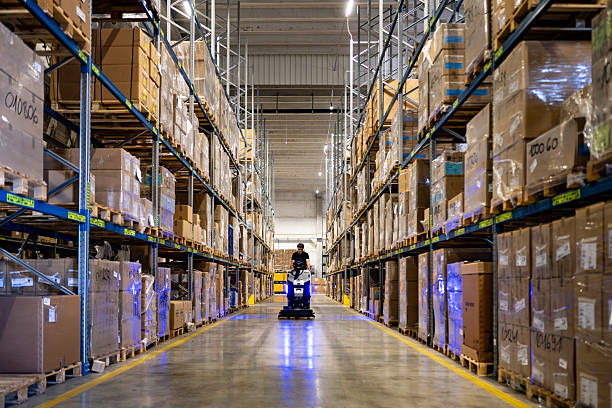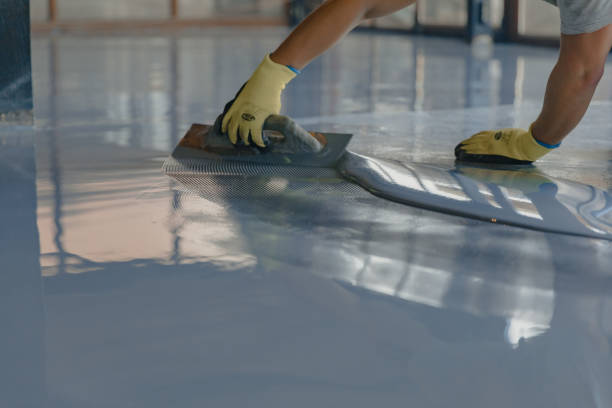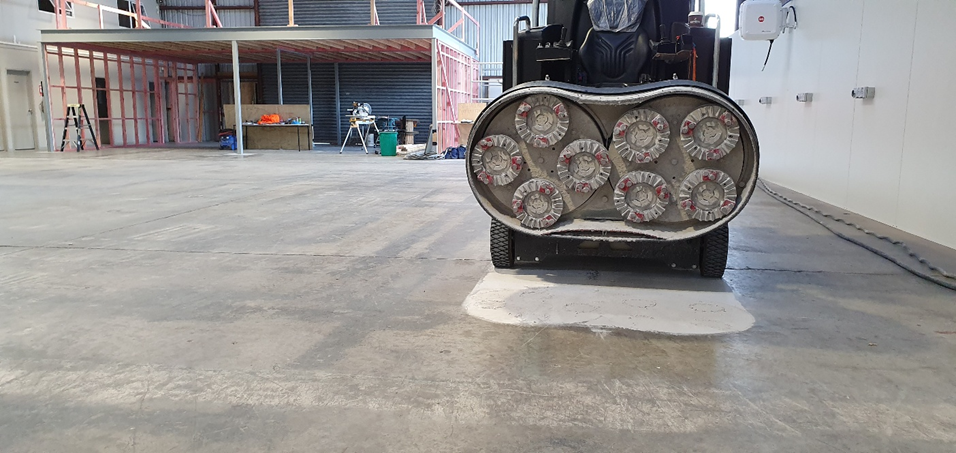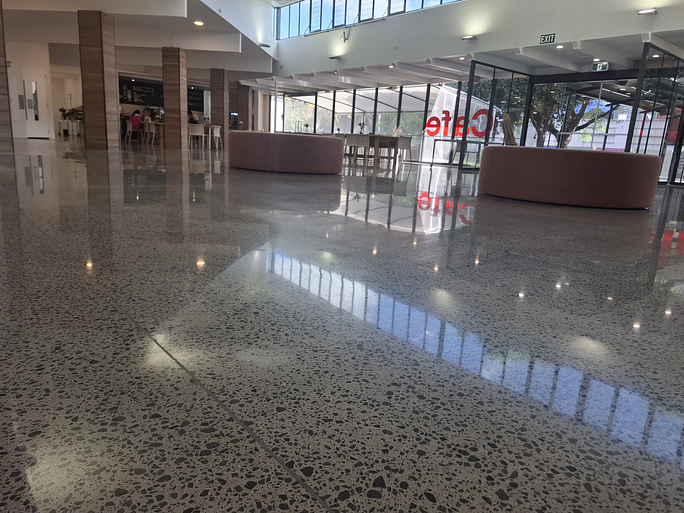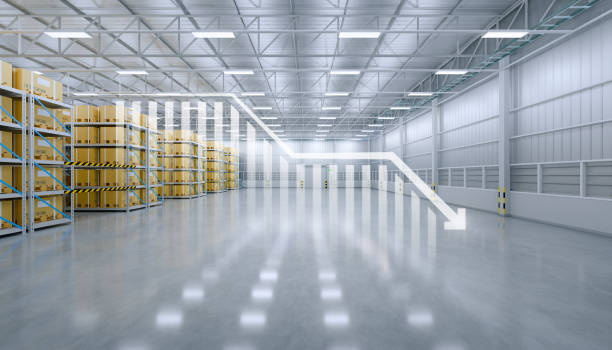
Choosing the right flooring system is a critical decision for industrial facilities across New Zealand. Floors in factories, warehouses, logistics centres, and processing plants are exposed to heavy machinery, constant foot traffic, chemicals, moisture, and strict hygiene requirements. Selecting the wrong system can lead to premature wear, safety risks, and operational disruption.
This is why resin floors have become the preferred solution for industrial environments. Resin flooring delivers seamless performance, durability, and long-term reliability when designed and installed correctly. However, not all resin systems are the same. Epoxy, polyurethane, and MMA resin floors each offer distinct performance benefits depending on how and where they are used.
This guide compares epoxy, polyurethane, and MMA resin flooring to help facility managers and decision-makers answer an important question
Which resin flooring is best for industrial floors in NZ?
At Solid Floors Limited, we design and install resin flooring systems tailored to New Zealand’s industrial conditions, ensuring performance that stands up to real-world use.
Why Resin Floors Are the Standard for Industrial Spaces in NZ
Industrial operations demand flooring systems that do more than just look good. Floors must perform reliably under pressure, maintain safety standards, and support efficient workflows.
Resin flooring in NZ is widely used across industrial sectors because it offers:
- Seamless and hygienic surfaces
- High resistance to wear, impact, and abrasion
- Protection against chemicals, oils, and moisture
- Easy cleaning and reduced maintenance
- Long service life when professionally installed
Resin floors are commonly specified for warehouses, food processing facilities, manufacturing plants, logistics hubs, workshops, and commercial kitchens. On the resin flooring services pages on the Solid Floors website, these systems are highlighted for their ability to meet strict industrial and hygiene requirements.
Understanding the differences between epoxy, polyurethane, and MMA resin systems is key to choosing the right solution for your environment.
Overview of Industrial Resin Flooring Systems
Before diving into comparisons, it helps to understand how these systems differ at a structural and performance level.
- Epoxy resin flooring focuses on strength, hardness, and chemical resistance
- Polyurethane resin flooring adds flexibility, comfort, and thermal performance
- MMA resin flooring prioritises speed, rapid curing, and minimal downtime
Each system plays a specific role within factory flooring systems and industrial floor coatings.
Epoxy Resin Flooring for Industrial Environments
What Is Epoxy Resin Flooring?
Epoxy flooring is one of the most widely used industrial floor coatings in New Zealand. It consists of a two-part resin system that chemically cures to form a strong, rigid surface bonded to the concrete substrate.
Epoxy flooring NZ installations are common in environments where durability and chemical resistance are top priorities.
Performance Strengths of Epoxy Resin Floors
Epoxy resin floors are known for their impressive mechanical strength. Once cured, they create a hard-wearing surface capable of handling:
- Heavy foot traffic
- Forklifts and pallet jacks
- Static and moving machinery
- Abrasion from repetitive operations
This makes epoxy a popular choice for warehouses and manufacturing facilities. On industrial flooring projects completed by Solid Floors Limited, epoxy systems are frequently selected for storage areas, production zones, and high-load spaces.
Chemical and Spill Resistance
Epoxy resin offers strong protection against oils, solvents, acids, and cleaning agents. This chemical resistant resin performance is essential in factories, workshops, and automotive environments where spills are common.
When paired with proper surface preparation, epoxy resin flooring provides long-term resistance without compromising surface integrity.
Limitations of Epoxy Resin Flooring
While epoxy floors deliver excellent strength, they are rigid by nature. In environments with frequent temperature changes or thermal shock, epoxy can be less forgiving than other resin systems.
Epoxy floors also require controlled curing times, meaning installation may take longer compared to fast-cure resin systems like MMA.
Best Industrial Uses for Epoxy Flooring
Epoxy resin floors are best suited for:
- Warehouses and logistics centres
- Manufacturing and assembly plants
- Storage and distribution facilities
- Automotive and engineering workshops
For many industrial facilities in NZ, epoxy remains the benchmark for strength-focused resin flooring installation.
Polyurethane Resin Flooring for Industrial Spaces
What Are Polyurethane Resin Floors?
Polyurethane resin flooring, often referred to as PU floors, is designed to offer flexibility and resilience in addition to durability. Unlike epoxy, polyurethane systems can absorb movement and thermal stress without cracking.
PU floors are commonly installed in environments where comfort, hygiene, and temperature resistance are essential.
Key Benefits of Polyurethane Resin Flooring
Polyurethane resin floors provide several advantages that make them ideal for demanding industrial settings:
- Greater flexibility under mechanical stress
- Resistance to thermal shock and temperature fluctuations
- Enhanced comfort underfoot for staff working long shifts
- Excellent slip resistance when specified correctly
These qualities make polyurethane resin flooring a strong option for food processing and commercial kitchen environments.
Hygiene and Moisture Resistance
Polyurethane resin flooring excels in environments requiring strict hygiene controls. Its seamless surface prevents bacteria, moisture, and contaminants from penetrating the floor.
This makes PU floors highly suitable for:
- Food manufacturing facilities
- Cold storage areas
- Beverage processing plants
- Commercial kitchens
In these settings, resin flooring in NZ must meet both operational and regulatory requirements.
Limitations of Polyurethane Resin Flooring
Polyurethane systems are slightly softer than epoxy, which means they may show surface wear sooner in extremely high-abrasion environments. However, their ability to flex and recover often extends their overall lifespan in thermally demanding spaces.
Best Industrial Uses for PU Floors
Polyurethane resin floors are ideal for:
- Food processing and packaging plants
- Cold rooms and freezers
- Commercial kitchens
- Laboratories and clean environments
When hygiene and thermal performance are priorities, polyurethane resin flooring is often the preferred solution.
MMA Resin Flooring for Fast-Paced Industrial Operations
What Is MMA Resin Flooring?
MMA resin flooring, or methyl methacrylate flooring, is designed for rapid installation and fast curing. These fast-cure resin systems can return an area to service within hours rather than days.
MMA resin benefits are particularly valuable in industries where downtime must be kept to an absolute minimum.
Speed and Efficiency Advantages
The standout feature of MMA resin floors is speed. MMA systems cure rapidly, even in low temperatures, making them suitable for urgent projects or staged installations.
For logistics centres and factories operating around the clock, MMA resin flooring helps minimise operational disruption.
Durability and Adhesion
Despite fast curing times, MMA resin floors deliver strong adhesion and durability. They bond well to existing substrates and are suitable for both indoor and outdoor resin flooring applications.
This makes MMA systems a versatile choice for loading bays, external walkways, and areas requiring quick turnaround.
Considerations When Using MMA Resin Flooring
MMA resin systems require experienced installers due to their rapid curing and strong odour during application. Professional handling ensures consistent performance and compliance with safety requirements.
At Solid Floors Limited, MMA installations are carefully planned to ensure safe, efficient application within operational environments.
Best Industrial Uses for MMA Resin Floors
MMA resin flooring is best suited for:
- Logistics and distribution centres
- Retail and public access areas
- Cold storage facilities
- External industrial walkways and ramps
When speed and minimal downtime matter most, MMA resin flooring delivers reliable performance.
Comparing Epoxy vs Polyurethane vs MMA Resin Floors
When comparing resin floors in NZ for industrial use, performance should always be matched to operational demands rather than choosing a one-size-fits-all solution.
Epoxy resin flooring offers maximum hardness and chemical resistance, making it ideal for heavy-duty industrial spaces. Polyurethane resin flooring provides flexibility and thermal resistance, supporting hygiene-focused environments. MMA resin flooring delivers speed and rapid curing for time-sensitive installations.
For industrial floor coatings in NZ, the best system depends on how the space is used, environmental exposure, and long-term performance requirements.
Choosing the Right Resin Flooring for Your Industrial Facility
When deciding which resin flooring is best for industrial floors in NZ, consider the following factors:
- Type of traffic and machinery
- Exposure to chemicals, moisture, and temperature changes
- Hygiene and safety requirements
- Operational downtime tolerance
- Indoor or outdoor application
On the industry-specific pages across the Solid Floors website, these considerations are addressed through tailored flooring solutions designed for real-world industrial use.
Why Professional Specification and Installation Matter
Even the highest quality resin flooring system can fail if it is poorly specified or incorrectly installed. Surface preparation, substrate condition, and system selection all influence performance.
Solid Floors Limited delivers end-to-end resin flooring solutions, from assessment and preparation through to installation and handover. This ensures every resin floor performs as intended under New Zealand conditions.
Conclusion
Choosing between epoxy, polyurethane, and MMA resin floors is not about finding a single best option, but about selecting the right system for your specific industrial environment. Each resin flooring system offers unique strengths that support different operational needs across factories, warehouses, and logistics facilities in NZ.
With decades of experience delivering high-performance resin flooring in NZ, Solid Floors Limited provides tailored solutions that prioritise durability, safety, and long-term value. If you are planning an industrial flooring upgrade or need expert guidance on resin floors for your facility, Contact us to discuss the right solution for your operational requirements.
Frequently Asked Questions
1. Which resin flooring is best for industrial floors in NZ?
The best resin flooring depends on your environment. Epoxy suits heavy-duty areas, polyurethane supports hygiene and thermal resistance, and MMA is ideal for fast installations with minimal downtime.
2. Are resin floors suitable for factories and warehouses?
Yes, resin floors are widely used in factories and warehouses due to their durability, seamless finish, and resistance to heavy machinery and traffic.
3. Is resin flooring in NZ suitable for food processing facilities?
Polyurethane resin flooring is commonly used in food processing environments because it offers hygiene, moisture resistance, and thermal performance.
4. Can resin flooring handle chemical exposure?
Epoxy and polyurethane resin floors provide strong chemical resistance, making them suitable for industrial environments where spills and cleaning agents are present.
5. Why choose a specialist installer for resin floors?
Professional installers ensure correct system selection, surface preparation, and application, which are critical for long-term performance and safety.