Industrial environments place extreme demands on flooring systems. Constant foot traffic, forklift movement, chemical spills, cleaning agents, temperature fluctuations, and mechanical abrasion all contribute to rapid surface wear when the wrong floor coating is selected. For plant engineers and operations managers, choosing the right floor coating is not just a maintenance decision. It is a critical operational investment that directly affects safety, compliance, efficiency, and long-term asset protection.
One of the most common questions Solid Floors gets asked by facility managers across New Zealand is what floor coating is best for high-traffic industrial areas. The answer depends on understanding traffic intensity, chemical exposure, substrate condition, and operational requirements, this is what we specialize in working through when we design and quote solutions for the clients.
This guide provides a technical yet practical framework to help decision makers select the most suitable industrial floor coating while maximising coating lifespan and performance.
At Solid Floors Limited, industrial floor coating systems are engineered for demanding environments where durability, chemical resistance, and long-term reliability matter most.
Understanding High-Traffic and Chemical Exposure Challenges
Before selecting a floor coating, it is essential to assess the challenges present in high-use industrial spaces. These environments typically experience a combination of mechanical stress and chemical exposure that standard coatings cannot withstand.
High-Traffic Stress Factors
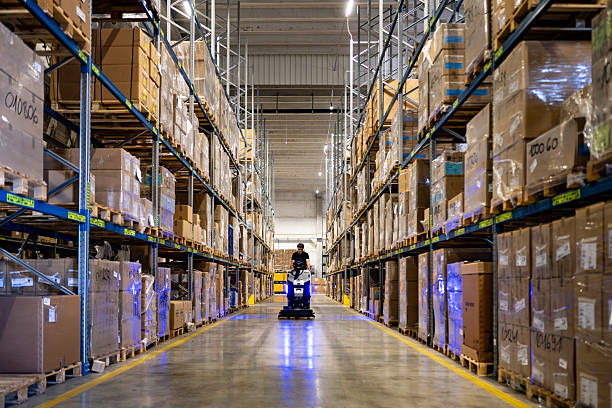
High-traffic industrial areas such as warehouses, production floors, loading bays, and processing plants experience continuous mechanical wear. This includes forklift traffic, pallet movement, rolling loads, vibration, and impact. Without a heavy-duty floor coating system, concrete surfaces quickly deteriorate, leading to dusting, cracking, and surface failure.
Chemical Exposure Risks
Chemical exposure varies by industry but commonly includes oils, fuels, acids, solvents, alkalis, cleaning agents, and by-products from manufacturing processes. Over time, these substances penetrate untreated concrete, causing corrosion, staining, and structural weakening. Chemical resistant flooring acts as a protective barrier, preventing long-term damage and maintaining surface integrity.
Understanding how these factors interact is the foundation of selecting the correct industrial floor coating.
Why Floor Coating Selection Impacts Long-Term Performance
Choosing the wrong floor coating often results in premature failure, increased maintenance, safety risks, and operational disruption. Selecting the right system improves durability, enhances chemical spill resistance, and ensures the floor performs under real-world conditions.
The right floor coating provides:
- Resistance to mechanical abrasion and impact
- Protection against chemical penetration
- Improved hygiene and cleanability
- Slip resistance where required
- Reduced maintenance frequency
- Extended service life of the concrete substrate
Industrial coatings in New Zealand must also align with local operational standards, safety expectations, and environmental conditions.
Key Factors to Consider When Choosing an Industrial Floor Coating
1. Traffic Load and Usage Patterns
Not all high-traffic areas experience the same type of stress. Some floors handle constant pedestrian traffic, while others endure heavy forklift movement or static loads from machinery. Traffic patterns influence coating thickness, system build, and material choice.
Heavy-duty coatings are designed to handle repeated mechanical wear without surface breakdown. Areas with turning forklifts and braking zones require higher abrasion resistance compared to light-duty zones.
2. Chemical Exposure Type and Frequency
Understanding which chemicals are present is essential. Different coating systems resist different substances. Chemical resistant epoxy flooring offers excellent protection against oils, fuels, solvents, and many acids, while polyurethane systems may perform better under thermal stress.
Chemical resistant flooring systems must be matched to the specific exposure profile to prevent softening, blistering, or coating failure.
3. Surface Preparation Requirements
Surface prep is one of the most critical factors in coating performance. Even the most advanced floor coating will fail if applied over poorly prepared concrete.
Proper surface prep includes:
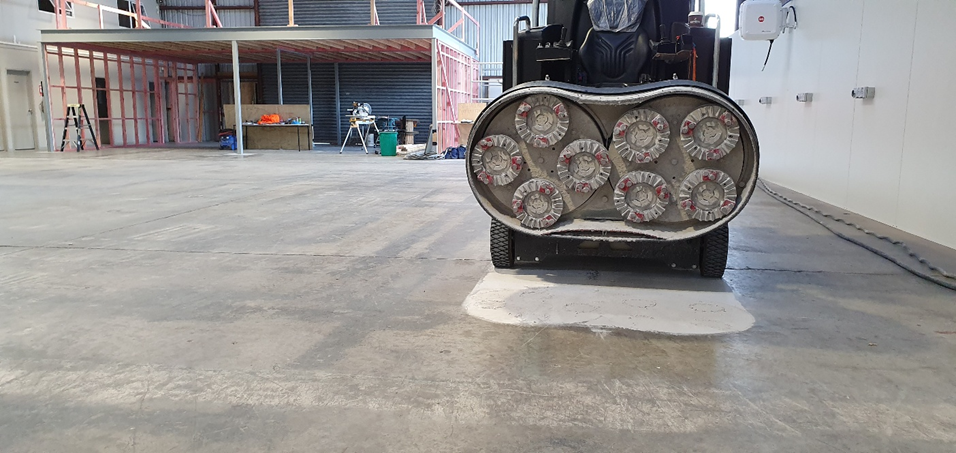
- Mechanical grinding or shot blasting
- Removal of contaminants
- Repairing cracks and defects
- Moisture testing and control
At Solid Floors Limited, surface prep is treated as a foundational stage, ensuring strong adhesion and long-term durability.
4. Coating Thickness Guide and System Build
Coating thickness directly affects durability and lifespan. Thin film coatings may be suitable for low-risk environments but are not appropriate for high-traffic industrial areas.
A coating thickness guide helps determine:
- Wear resistance
- Impact tolerance
- Chemical spill resistance
- Expected service life
High-build systems offer increased protection and are commonly used in production zones, warehouses, and loading areas.
5. Slip Resistance and Safety Considerations
Safety is a key concern in industrial environments. Floor coating systems can incorporate slip-resistant aggregates to improve traction in wet or hazardous areas. This is particularly important in facilities exposed to spills, washdowns, or condensation.
Improved traction supports workplace safety and helps meet operational health and safety requirements without compromising cleanability.
Types of Industrial Floor Coatings for High-Traffic Areas
Chemical Resistant Epoxy Flooring
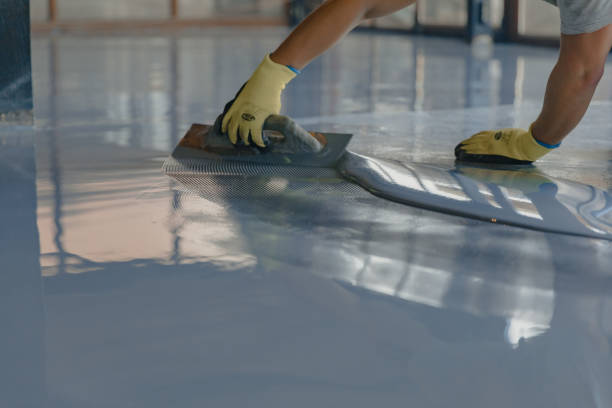
Chemical resistant epoxy flooring is one of the most widely used solutions in industrial settings. Epoxy coatings form a seamless, non-porous surface that resists chemical attack and mechanical wear.
Benefits include:
- High chemical spill resistance
- Excellent abrasion resistance
- Seamless and hygienic finish
- Long service life under heavy use
Epoxy systems are commonly installed in warehouses, manufacturing plants, processing facilities, and workshops where both durability and chemical resistance are required. Solid Floors Limited installs epoxy systems designed for New Zealand industrial environments, ensuring long-term performance.
Polyurethane Floor Coatings
Polyurethane coatings provide flexibility and resistance to temperature changes. These systems are suitable for environments exposed to thermal cycling or where comfort underfoot is important.
Key advantages:
- Resistance to thermal shock
- Enhanced flexibility compared to epoxy
- Good chemical resistance
- Improved slip resistance options
Polyurethane systems are often used alongside epoxy primers to create a robust multi-layer industrial coating system.
Heavy-Duty Abrasion Resistant Systems
For extreme wear zones, heavy-duty coatings are engineered with increased thickness and reinforced build-ups. These systems are ideal for forklift lanes, loading docks, and high-impact areas.
Features include:
- Enhanced abrasion resistance
- Increased impact tolerance
- Reduced surface breakdown
- Extended coating lifespan
These systems are commonly specified for facilities requiring maximum durability with minimal maintenance interruptions.
Importance of Anti-Corrosion Protection in Industrial Flooring
Concrete corrosion is a hidden but serious issue in chemically aggressive environments. When chemicals penetrate untreated concrete, they cause internal degradation that compromises structural strength.
Anti-corrosion coatings protect both the surface and the concrete substrate by:
- Blocking chemical ingress
- Preventing moisture penetration
- Reducing reinforcement corrosion
- Preserving long-term structural integrity
Chemical resistant flooring plays a critical role in preventing costly structural repairs and operational downtime.
Best Practices for Coating Longevity
Correct System Selection
Matching the coating system to the environment is essential. Over-specifying increases costs, while under-specifying leads to failure. A technical assessment ensures the right balance between performance and longevity.
Professional Installation
Even the best floor coating requires expert application. Layer sequencing, curing times, environmental conditions, and quality control all affect performance.
Solid Floors Limited uses experienced in-house technicians to ensure consistent application and reliable results across industrial projects.
Planned Maintenance
Industrial coatings require minimal maintenance, but routine inspections and cleaning help extend service life. Addressing minor wear early prevents major repairs and protects the coating investment.
Why Industrial Coatings in NZ Require Local Expertise
New Zealand industrial environments present unique challenges, including humidity, temperature variation, and regulatory expectations. Industrial coatings NZ facilities rely on systems designed for local conditions, not generic solutions.
Working with a specialist provider ensures:
- Systems suited to NZ conditions
- Compliance with operational standards
- Reduced risk of coating failure
- Long-term value and reliability
Solid Floors Limited has extensive experience delivering industrial floor coating solutions across New Zealand, tailored to demanding operational environments.
How Solid Floors Limited Supports Better Flooring Outcomes
Solid Floors Limited provides end-to-end expertise from consultation and surface prep through to installation and handover. Every floor coating system is designed to meet specific operational requirements, traffic levels, and chemical exposure risks.
By focusing on engineered solutions rather than one-size-fits-all products, Solid Floors Limited helps facilities achieve durable, safe, and long-lasting industrial flooring.
Conclusion
Choosing the right floor coating for high-traffic and chemical-exposure areas is a critical decision that affects safety, durability, and operational efficiency. By understanding traffic demands, chemical risks, surface prep requirements, and coating system options, plant engineers and operations managers can make informed choices that protect their facilities long term.
High-quality chemical resistant flooring and chemical resistant epoxy flooring systems deliver superior protection, reduced maintenance, and extended floor life when professionally installed. Solid Floors Limited specialises in engineered industrial floor coating solutions designed for demanding New Zealand environments.
To discuss the most suitable floor coating system for your facility and ensure long-term performance, Contact us today and speak with the specialists at Solid Floors Limited.
Frequently Asked Questions
1. What floor coating is best for high-traffic industrial areas?
The best floor coating depends on traffic intensity, chemical exposure, and substrate condition. Chemical resistant epoxy flooring is commonly used due to its durability, abrasion resistance, and chemical protection.
2. How does chemical resistant flooring protect concrete?
Chemical resistant flooring forms a non-porous barrier that prevents chemicals, oils, and moisture from penetrating the concrete, reducing corrosion and long-term structural damage.
3. How do I choose the right coating thickness?
A coating thickness guide helps determine the appropriate system based on traffic load, impact risk, and expected wear. High-traffic areas typically require high-build systems.
4. Can industrial coatings improve workplace safety?
Yes. Slip-resistant textures can be incorporated into floor coating systems to improve traction and reduce slip risks in hazardous areas.
5. Why choose a specialist provider for industrial coatings NZ?
Specialist providers understand local conditions, compliance requirements, and technical system selection, ensuring reliable performance and reduced risk.