Choosing the right flooring system is one of the most important decisions for any commercial or industrial facility. Floors support daily operations, heavy equipment, foot traffic, hygiene standards, and safety compliance. For many businesses across New Zealand, resin flooring has become the preferred solution due to its durability, seamless finish, and long term performance.
However, not all resin flooring systems are the same. Selecting the wrong type can lead to premature wear, safety risks, or costly repairs. This guide has been created to answer a common and important question asked by business owners and facility managers: How to choose the right resin flooring system for my commercial space?
At Solid Floors Limited, we have spent decades installing resin flooring in NZ across warehouses, food production areas, retail spaces, workshops, and high traffic environments. This education based guide explains everything you need to know before choosing a system so you can make an informed decision that supports your operations today and into the future.
What Is Resin Flooring and Why Businesses Choose It
Resin flooring is a surface created by applying liquid resin over a prepared concrete substrate. Once cured, it forms a seamless, durable, and protective layer designed to withstand demanding commercial conditions.
Unlike traditional floor coverings, resin flooring does not have joints or grout lines. This seamless structure improves hygiene, simplifies cleaning, and enhances overall durability. Businesses choose resin flooring in NZ because it offers performance, safety, and visual consistency across a wide range of industries.
Resin flooring is commonly installed in environments where durability, hygiene, and resistance to chemicals or moisture are critical. These include food service areas, manufacturing facilities, warehouses, healthcare environments, retail spaces, and workshops.
Within the services section of the Solid Floors Limited website, resin flooring systems are highlighted as a long lasting solution for businesses that need reliable flooring without constant maintenance disruptions.
Understanding Different Resin Flooring Systems
Before selecting a system, it is important to understand the most common types of resin flooring used in commercial environments.
Epoxy Resin Flooring
Epoxy resin flooring is widely used due to its strength, versatility, and smooth finish. It is suitable for warehouses, workshops, showrooms, and many industrial environments.
Key benefits include high durability, strong adhesion to concrete, and resistance to chemicals and abrasion. Epoxy systems are often chosen for areas with moderate to heavy foot traffic and machinery use.
Epoxy resin requires proper floor prep for epoxy installation. This ensures the resin bonds correctly and performs as intended over time.
Polyurethane Resin Flooring
Polyurethane resin flooring offers enhanced flexibility and resistance to temperature fluctuations. It is often used in food processing facilities and environments exposed to thermal shock.
This type of hygienic resin flooring supports strict cleanliness standards and performs well in areas requiring frequent washdowns. It is commonly referenced in food service and hygiene focused industry applications found on the Solid Floors Limited website.
MMA Resin Flooring
MMA resin systems cure quickly and are ideal for environments where downtime must be minimized. They are often used in commercial renovations where rapid installation is required.
Although fast curing, these systems still require professional installation to ensure performance and safety.
Why Proper Floor Preparation Matters
One of the most overlooked aspects of resin flooring installation is surface preparation. Floor prep for epoxy and other resin systems is critical to long term success.
Concrete substrates must be clean, dry, and structurally sound before resin is applied. Any contamination, moisture, or unevenness can compromise adhesion.
Professional preparation methods include grinding, shot blasting, and moisture testing. These steps ensure the resin flooring system performs as designed and avoids premature failure.
Solid Floors Limited emphasizes preparation as part of every resin flooring installation process because proper groundwork supports durability, safety, and appearance.
Evaluating Traffic Levels and Load Requirements
Understanding how your space is used is essential when choosing resin flooring.
Foot Traffic
Retail environments, public spaces, and hospitality venues experience continuous foot traffic. Resin flooring systems designed for these areas must resist wear while maintaining slip resistance.
Machinery and Equipment Loads
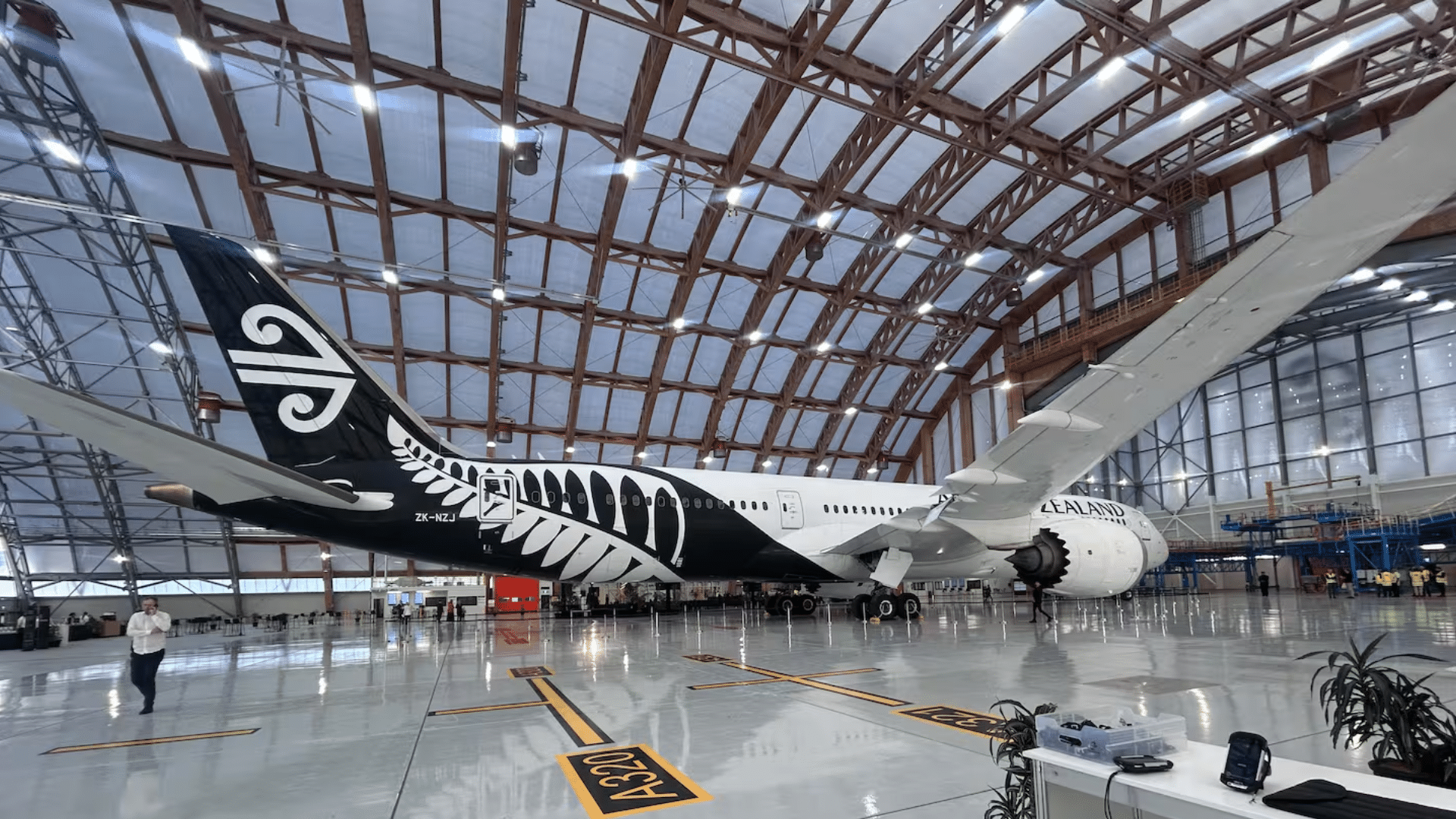
Warehouses and industrial environments often involve forklifts, pallet jacks, and heavy equipment. Resin thickness guides help determine the appropriate system to support these loads without cracking or surface damage.
Selecting the correct resin flooring thickness is critical for performance and longevity. A system that is too thin may wear prematurely, while an over engineered system may not be necessary for lighter use environments.
Slip Resistance and Workplace Safety
Slip resistance is a major concern for commercial flooring, particularly in wet or high movement environments.
Slip resistant resin floors can be customized with textured finishes or aggregates to improve traction without compromising cleanability.
This is especially important in food processing, commercial kitchens, workshops, and entryways. Safety focused flooring reduces the risk of workplace incidents and supports compliance with health and safety requirements.
Solid Floors Limited designs resin flooring systems that balance safety and functionality, ensuring slip resistance aligns with the specific demands of each space.
Hygiene and Cleanability Considerations
For businesses operating in food service, healthcare, or hygiene sensitive environments, flooring must meet strict cleanliness standards.
Hygienic resin flooring is seamless, non porous, and resistant to bacteria buildup. This makes it easier to clean and disinfect compared to tiled or jointed flooring systems.
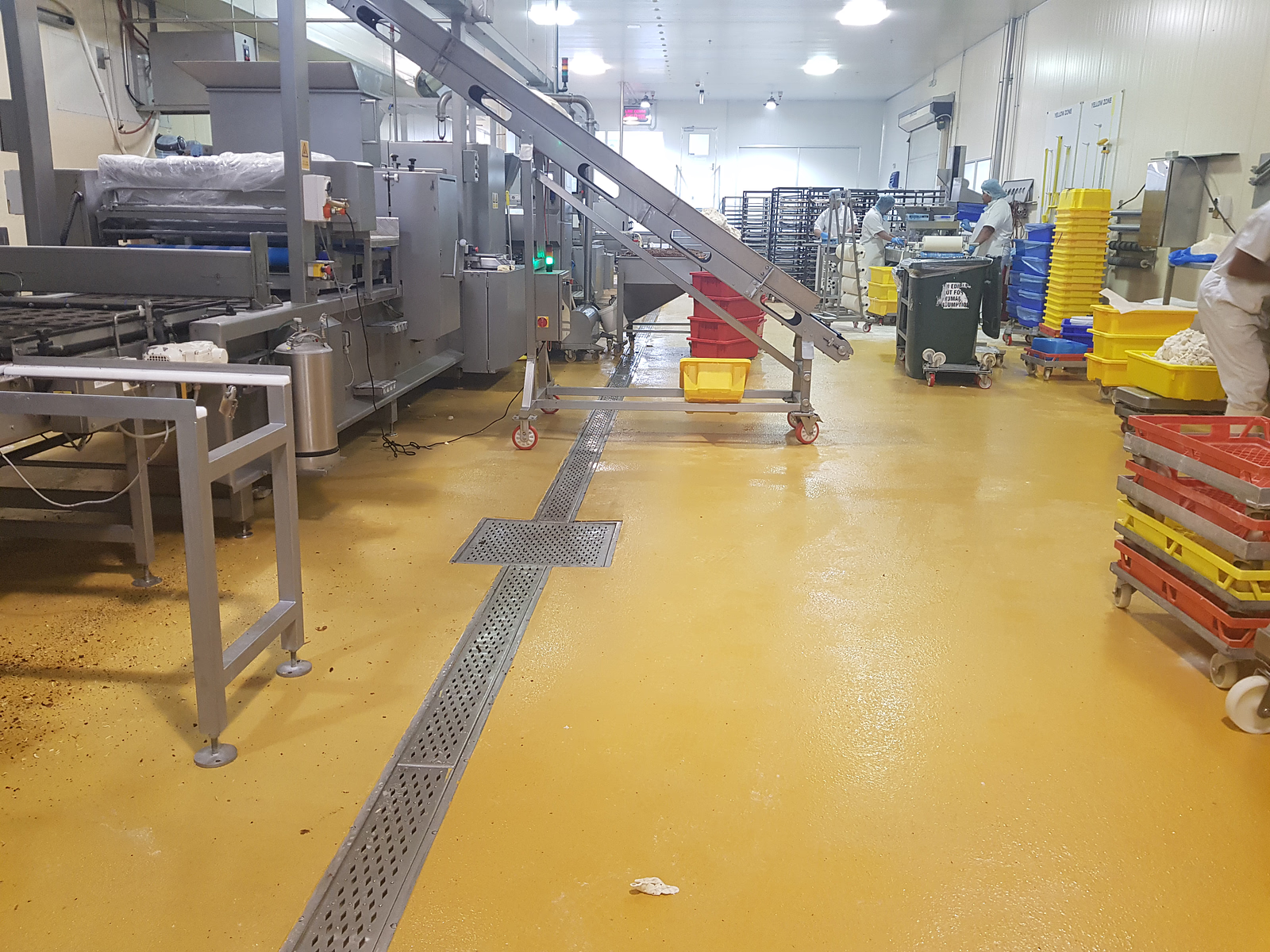
Resin flooring in NZ is commonly used in food production and preparation areas because it supports compliance with hygiene regulations while maintaining durability.
Industry focused solutions highlighted within the Solid Floors Limited industry pages demonstrate how resin flooring supports hygiene driven operations.
Chemical and Moisture Resistance
Commercial environments often expose floors to chemicals, oils, cleaning agents, and moisture. Choosing a resin flooring system that can withstand these elements is essential.
Epoxy and polyurethane resin systems provide varying levels of chemical resistance. The correct system depends on the specific substances present in your environment.
Moisture resistance is also critical, especially in washdown areas or facilities exposed to humidity. Proper substrate testing and system selection prevent moisture related issues such as bubbling or delamination.
Aesthetic and Branding Considerations
While performance is essential, appearance also matters. Resin flooring can be customized with colors, finishes, and decorative elements to align with branding or visual standards.
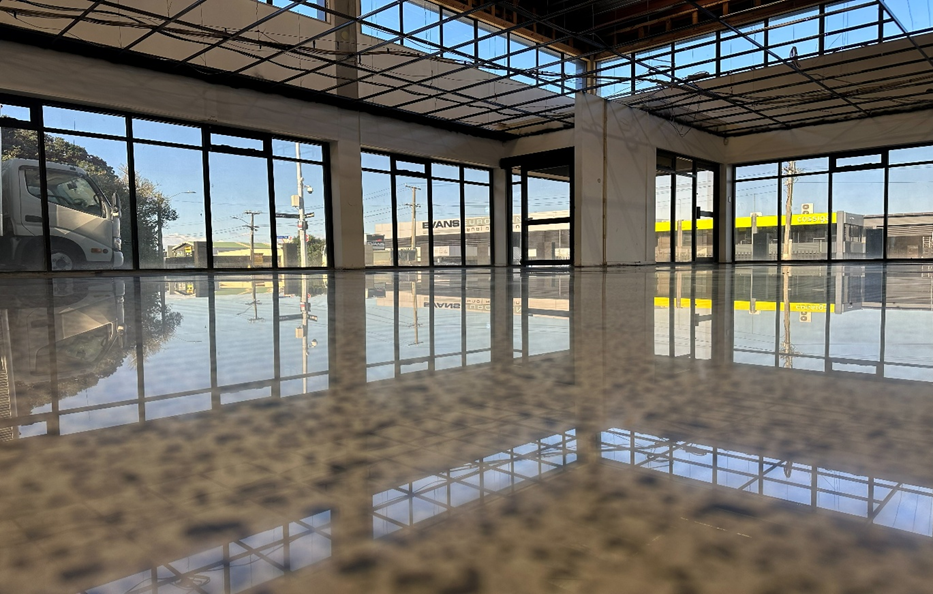
Retail spaces, showrooms, and public environments benefit from visually consistent flooring that enhances the customer experience.
The gallery section of the Solid Floors Limited website showcases completed projects that demonstrate how resin flooring can combine function with professional presentation.
Installation Expertise and Long Term Performance
Choosing the right resin flooring system is only part of the process. Professional installation plays a major role in performance and lifespan.
Experienced installers understand substrate behavior, curing times, environmental conditions, and system compatibility. This expertise ensures the flooring performs as expected under real world conditions.
Solid Floors Limited brings decades of experience delivering commercial floor coatings across New Zealand, supporting businesses with reliable installations tailored to their operational needs.
Maintenance and Lifecycle Value
Resin flooring is known for its low maintenance requirements when installed correctly. Routine cleaning and basic care help preserve appearance and performance.
Unlike traditional flooring, resin systems do not require grout cleaning or frequent repairs. This reduces operational disruption and supports long term value.
Maintenance guidance is often provided as part of the service experience offered by Solid Floors Limited, ensuring clients understand how to protect their investment.
Common Mistakes Businesses Should Avoid
Many flooring issues stem from incorrect assumptions or rushed decisions. Common mistakes include selecting a system based on appearance alone, overlooking floor preparation, or underestimating traffic and load requirements.
Another common issue is choosing installers without commercial resin flooring experience. Resin flooring requires specialized knowledge and equipment.
By working with an established provider like Solid Floors Limited, businesses reduce risk and ensure their flooring system is designed for real operational demands.
How Solid Floors Limited Supports Better Flooring Decisions
Solid Floors Limited approaches every project with an education first mindset. By understanding the client’s industry, usage requirements, and environment, the correct resin flooring solution can be specified from the beginning.
Our team works across commercial and industrial sectors, supporting warehouses, food service environments, retail spaces, and specialized facilities throughout New Zealand.
Internal service pages on the Solid Floors Limited website outline how resin flooring systems integrate with broader flooring and coating solutions for long term performance.
Conclusion
Choosing the right resin flooring system requires more than selecting a surface. It involves understanding traffic, hygiene, safety, chemical exposure, and long term operational needs.
Resin flooring continues to be a trusted solution for commercial environments due to its durability, seamless finish, and adaptability across industries. When properly specified and installed, it delivers lasting performance and operational confidence.
Solid Floors Limited brings proven expertise in resin flooring in NZ, helping businesses make informed decisions that support productivity and safety. If you are planning a flooring upgrade or new installation, Contact us to discuss a resin flooring solution designed for your space.
Frequently Asked Questions
Q1. How do I choose the right resin flooring system for my commercial space?
Start by evaluating traffic levels, load requirements, hygiene needs, and exposure to chemicals or moisture. A professional assessment helps match the correct resin system to your environment.
Q2. Is resin flooring suitable for warehouses and industrial facilities?
Yes. Resin flooring is commonly used in warehouses and industrial spaces due to its durability, load bearing capacity, and resistance to wear.
Q3. What preparation is required before resin flooring installation?
Proper surface preparation includes cleaning, grinding, and moisture testing. Floor prep for epoxy is essential to ensure long term adhesion and performance.
Q4. Is resin flooring easy to maintain?
Resin flooring is low maintenance when installed correctly. Routine cleaning supports long term appearance and performance.
Q5. Why should I choose Solid Floors Limited for resin flooring installation?
Solid Floors Limited has decades of experience delivering commercial floor coatings and resin flooring systems tailored to New Zealand business environments.