Industrial facilities place constant pressure on flooring systems. Daily exposure to chemicals, heavy machinery, forklift traffic, spills, and mechanical abrasion creates an environment where standard concrete floors deteriorate quickly. Cracking, surface erosion, staining, and safety risks often follow, leading to frequent repairs and operational downtime.
This reality is why more facility managers and warehouse owners are asking an important question: Why use chemical-resistant floor coatings in heavy-duty industrial environments?
Chemical Resistant Coatings offer a proven solution for protecting concrete floors while reducing long term maintenance demands. When installed correctly, these systems create a durable barrier that shields surfaces from chemical exposure, abrasion, and mechanical wear.
At Solid Floors Limited, we work with manufacturing plants, processing facilities, and warehouses across New Zealand to install coating systems designed for real world industrial conditions. This article explains how Chemical Resistant Coatings reduce maintenance costs, improve safety compliance, and deliver measurable long term value for industrial facilities.
Understanding Chemical Resistant Coatings in Industrial Facilities
Chemical Resistant Coatings are specialized protective layers applied over concrete substrates to prevent damage from corrosive substances, abrasion, and mechanical stress. Unlike untreated concrete, coated surfaces resist penetration from chemicals, oils, solvents, and industrial fluids.
These coatings are engineered for environments where flooring failure can disrupt operations, compromise safety, and increase maintenance costs. In industrial settings, even minor surface degradation can escalate into structural damage if left unprotected.
Chemical resistant flooring systems are commonly used in manufacturing plants, processing areas, warehouses, workshops, and facilities exposed to industrial spill protection requirements. On the Solid Floors Limited services pages, these systems are positioned as essential for high performance industrial environments.
Why Untreated Industrial Floors Fail Over Time
Concrete is strong, but it is not immune to damage. In heavy duty environments, untreated concrete floors face several challenges.
Chemical Exposure
Industrial facilities often handle acids, solvents, oils, fuels, and cleaning agents. When these substances penetrate concrete, they weaken the surface, cause staining, and accelerate breakdown.
Abrasion and Mechanical Wear
Forklift traffic durability is a major concern in warehouses and logistics facilities. Repeated movement of heavy machinery wears down unprotected surfaces, leading to dusting, cracks, and uneven floors.
Heavy Machinery Load
Heavy machinery wear places constant stress on concrete. Without a protective layer, this stress leads to surface fatigue and structural damage.
Maintenance Burden
As concrete deteriorates, maintenance becomes more frequent and disruptive. Patching, grinding, and resurfacing create downtime that impacts productivity.
Chemical Resistant Coatings address these challenges by creating a resilient surface that protects concrete from direct exposure.
How Chemical Resistant Coatings Reduce Maintenance Costs
The primary financial benefit of Chemical Resistant Coatings is reduced maintenance over the lifecycle of the floor. This reduction is achieved through multiple performance advantages.
Surface Protection Against Chemical Damage
Chemical resistant flooring forms a non porous barrier that prevents spills from penetrating concrete. This makes cleanup easier and prevents long term chemical damage that would otherwise require repairs.
Industrial spill protection is particularly valuable in processing facilities where chemical exposure is routine. Instead of absorbing contaminants, coated floors allow for fast and effective cleaning.
Abrasion Resistant Performance
Abrasion resistant floors withstand constant mechanical wear from forklifts, carts, and equipment. This reduces surface erosion and eliminates the need for frequent resurfacing.
Facilities with high forklift traffic durability requirements benefit significantly from reduced wear related maintenance.
Reduced Crack Propagation
When concrete is protected from moisture and chemical intrusion, cracks are less likely to expand. This limits structural degradation and extends the usable life of the floor.
Simplified Cleaning and Upkeep
Coated floors are easier to clean than bare concrete. Dusting is minimized, stains are reduced, and routine maintenance requires less time and labor.
Over time, these factors contribute to lower operational costs and fewer maintenance interventions.
Chemical Resistant Coatings and Safety Compliance
Safety compliance is a major concern in industrial environments. Floors play a critical role in maintaining safe working conditions.
Slip Resistance in High Risk Areas
Chemical Resistant Coatings can be designed with textured finishes to improve traction. This is particularly important in wet areas or locations where spills are common.
Slip resistant surfaces help facilities meet safety compliance requirements while protecting workers from injury.
Improved Visibility and Cleanliness
Clean, well maintained floors improve visibility and reduce hazards. Coated surfaces make spills easier to spot and address before they become dangerous.
Compliance with Industry Standards
Many industries require hygienic, easy to clean flooring solutions. Chemical resistant flooring supports compliance in processing plants, food handling environments, and regulated facilities.
On the Solid Floors Limited industry pages, safety and hygiene are consistently highlighted as core benefits of protective flooring systems.
Lifecycle Value and Long Term ROI
When evaluating flooring investments, it is important to consider the entire coating lifecycle rather than just initial installation.
Extended Floor Lifespan
Chemical Resistant Coatings significantly extend the lifespan of industrial floors. By shielding concrete from damage, they delay the need for major repairs or replacement.
Reduced Downtime
Maintenance disruptions are costly in industrial facilities. Coated floors reduce the frequency of shutdowns required for repairs, keeping operations running smoothly.
Predictable Maintenance Planning
Facilities with protected floors experience fewer unexpected failures. This allows maintenance teams to plan upkeep more efficiently and avoid emergency repairs.
Asset Protection
Industrial floors are valuable assets. Protecting them preserves property value and supports long term operational stability.
Solid Floors Limited designs coating systems with lifecycle performance in mind, ensuring clients receive durable solutions tailored to their facility demands.
Applications Across Industrial Environments
Chemical Resistant Coatings are not limited to one type of facility. Their versatility makes them suitable for a wide range of industrial applications.
Manufacturing Plants
Manufacturing environments face constant mechanical stress, chemical exposure, and heavy machinery wear. Coated floors support durability and safety while reducing maintenance needs.
Processing Facilities
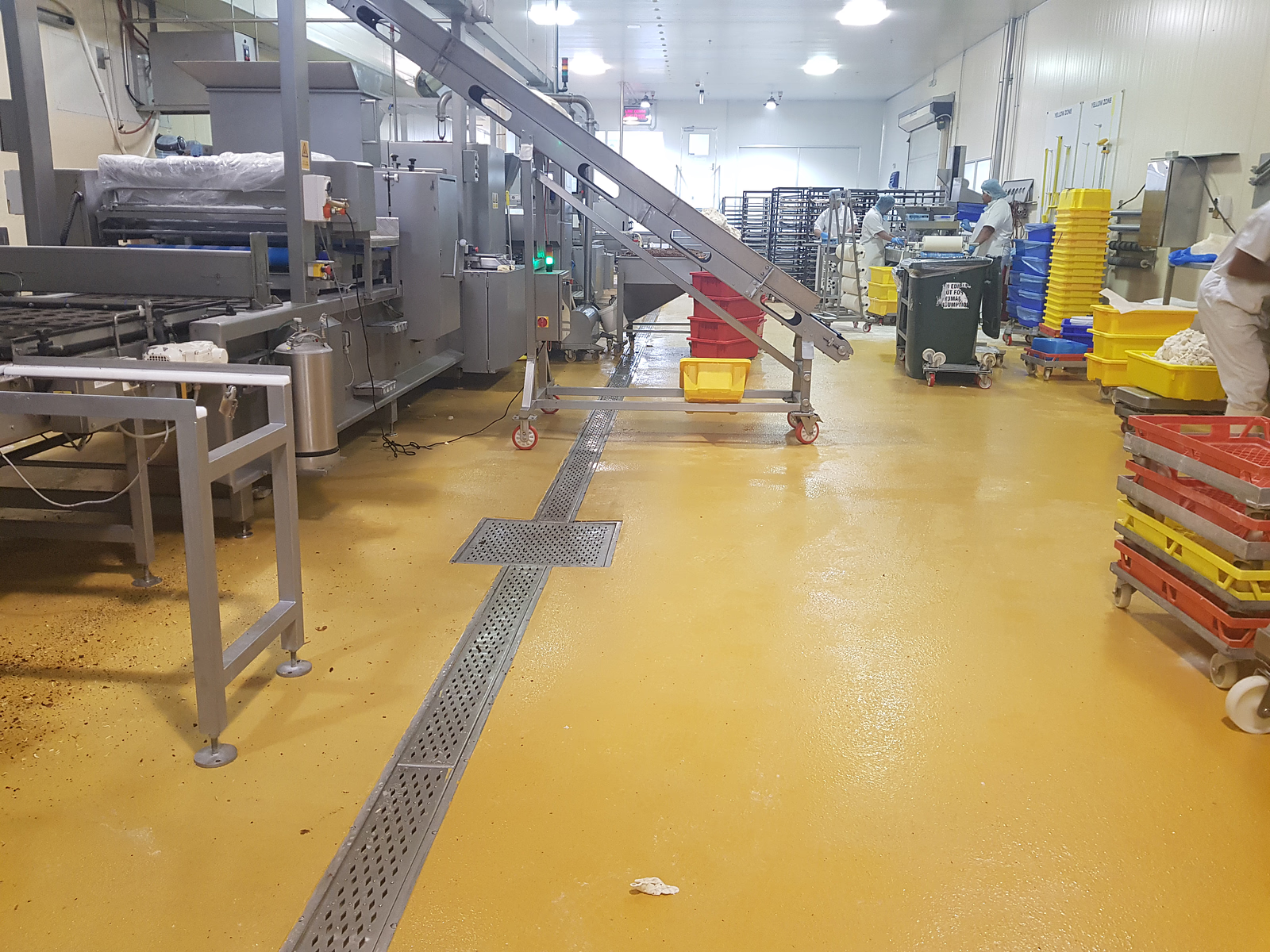
Processing areas often require industrial spill protection and hygienic surfaces. Chemical resistant flooring prevents contamination and simplifies cleaning.
Warehouses and Logistics Centers
Forklift traffic durability is essential in warehouses. Abrasion resistant floors withstand continuous movement and heavy loads.
Workshops and Technical Facilities
Workshops benefit from surfaces that resist oils, solvents, and mechanical wear. Coated floors maintain a professional appearance while supporting safety compliance.
These applications align closely with the industry sectors outlined on the Solid Floors Limited website.
The Role of Proper Surface Preparation
Even the best coating system will fail without proper preparation. Surface preparation is one of the most important steps in achieving long term performance.
Concrete must be clean, structurally sound, and properly profiled before coatings are applied. Professional preparation methods create the correct surface texture for adhesion.
Solid Floors Limited uses advanced equipment and proven techniques to ensure coatings bond effectively. This attention to preparation supports durability and reduces the risk of premature failure.
Customizing Coating Systems for Facility Needs
No two industrial facilities are identical. Chemical Resistant Coatings must be tailored to specific operational requirements.
Chemical Exposure Levels
Different environments involve different chemicals. Coating selection depends on the type and frequency of exposure.
Traffic and Load Demands
Facilities with heavy machinery or constant forklift traffic require systems designed for high abrasion resistance.
Safety and Compliance Requirements
Slip resistance and hygiene considerations vary by industry. Coatings can be customized to meet these needs.
By understanding how a facility operates, Solid Floors Limited delivers solutions that balance performance, safety, and longevity.
Why Professional Installation Matters
Chemical Resistant Coatings are technical systems that require professional expertise. Improper application can lead to delamination, uneven curing, or reduced performance.
Experienced installers understand environmental conditions, curing times, and system compatibility. This knowledge ensures the coating performs as designed throughout its lifecycle.
Solid Floors Limited brings decades of experience in industrial flooring and protective coatings NZ wide, supporting facilities with reliable installations and consistent results.
Maintenance Best Practices for Coated Floors
Although Chemical Resistant Coatings reduce maintenance demands, proper care further extends performance.
Routine cleaning using appropriate methods prevents buildup of contaminants. Regular inspections help identify minor issues before they become major problems.
Maintenance guidance is often provided alongside installation services, ensuring facility teams know how to protect their flooring investment.
Common Misconceptions About Chemical Resistant Coatings
Some facility managers hesitate to invest in coatings due to misconceptions.
One common belief is that coatings are only necessary for chemical plants. In reality, many industrial environments benefit from chemical resistant flooring due to routine exposure to oils, fuels, and cleaning agents.
Another misconception is that coatings eliminate all maintenance. While they reduce maintenance significantly, basic care remains important for longevity.
Understanding the true capabilities of Chemical Resistant Coatings helps businesses make informed decisions.
How Solid Floors Limited Delivers Long Term Value
Solid Floors Limited approaches every project with a performance first mindset. By assessing facility conditions, usage patterns, and safety requirements, the right coating system is specified from the beginning.
Our experience across manufacturing, warehousing, and processing environments ensures coatings are designed for real operational demands.
Service pages and industry sections across the Solid Floors Limited website demonstrate how protective coatings integrate with broader industrial flooring solutions.
Conclusion
Chemical Resistant Coatings play a critical role in reducing maintenance costs, improving safety compliance, and extending floor lifespan in industrial facilities. By protecting concrete from chemical exposure, abrasion, and heavy machinery wear, these systems deliver measurable long term value.
For manufacturing plants, warehouses, and processing facilities, investing in chemical resistant flooring supports operational efficiency and asset protection.
Solid Floors Limited brings proven expertise in industrial flooring and protective coatings NZ wide. If your facility is experiencing frequent floor maintenance issues or planning a long term upgrade, Contact us to discuss a coating solution designed for your environment.
Frequently Asked Questions
Q1. Why use chemical-resistant floor coatings in heavy-duty industrial environments?
They protect concrete from chemical damage, abrasion, and mechanical wear while reducing long term maintenance costs.
Q2. Are chemical resistant coatings suitable for warehouses with forklift traffic?
Yes. Abrasion resistant floors are designed to handle forklift traffic durability and heavy loads.
Q3. How do chemical resistant coatings improve safety compliance?
They can include slip resistant finishes and create clean, visible surfaces that reduce hazards.
Q4. What industries benefit most from chemical resistant flooring?
Manufacturing, processing, warehousing, and workshops all benefit from protective flooring systems.
Q5. Why choose Solid Floors Limited for chemical resistant coatings?
Solid Floors Limited has decades of experience delivering durable, industry specific flooring solutions across New Zealand.